The “Australia Health Club Industry” is posting strong growth.

Keeping Australians fit is big business. This is not a surprise given Australia’s position as one of the most overweight nations in the world. Despite Australia’s growing waistlines, revenue for the Gyms and Fitness Centres industry is expected to grow by a healthy annualised 4.8% over the five years through 2013-14. According to IBISWorld industry analyst Craig Shulman, “this growth hides a 2008-09 decline as cautious consumers opted for cheaper health and fitness alternatives given the poor economic climate”. While a stronger economy and the momentum of low-cost alternatives have fostered growth over the past five years, increasing market saturation is expected to lead to revenue growth of 1.4% to total $1.31 billion in 2013-14.
Prior to the downturn the industry grew strongly, and aside from the disruption brought about by the global financial crisis, the story of the past five years is one of strong growth. “This growth has been driven by the mainstreaming of fitness services as health awareness increased,” says Shulman. Industry performance has benefited from reality TV shows, such as the Biggest Loser, with the weight-loss contest effectively serving as an advertisement for fitness services. The trend towards household outsourcing has also played a part in industry growth, with the do-it-for-me mindset carrying over to fitness advice, instruction and motivation. Over the past five years, competition has increased and the industry now displays medium concentration. The top players include Fitness First Australia Pty Ltd, Ardent Leisure Group, Anytime Australia Pty Ltd, 24/7 Brands Pty Ltd, YMCA Australia, Fernwood Women’s Health Clubs Pty Ltd and GHF Pty Ltd.
The Gyms and Fitness Centres industry will approach maturity over the coming five years, with revenue forecast to stagnate as industry consolidation occurs. Customers in older age groups will be key drivers of growth as awareness of the benefits of physical activity on health and quality of life in later years becomes more widespread. The ageing population will also result in greater numbers of people entering this age group. The industry will continue to trial new products, programs and delivery methods. Although some new methods and programs will fade away, others are likely to be successful as Australians’ willingness to spend on their health increases.
This industry consists of businesses mainly engaged in operating health clubs, fitness centres and gymnasia. These businesses provide a range of fitness and exercise services.
Industry Performance Executive Summary Key External Drivers Current Performance Industry Outlook Industry Life Cycle Products & Markets Supply Chain Products & Services Major Markets International Trade Business Locations Competitive Landscape Market Share Concentration Key Success Factors Cost Structure Benchmarks Basis of Competition Barriers to Entry Industry Globalisation Major Companies Operating Conditions Capital Intensity Technology & Systems Revenue Volatility Regulation & Policy Industry Assistance Key Statistics Industry Data Annual Change Key Ratios
Hot Spot Ads
- BLS Certification in Augusta – AHA CPR Classes Only $59 or 2 for $99 at Pulse CPR
- Premier CPR & First Aid Training in Augusta, GA: Pulse CPR & First Aid School”
- Master Life-Saving Skills: American Heart Association CPR, First Aid, AED, BLS, ACLS, and PALS Training in Augusta, GA at Pulse CPR and First Aid School!
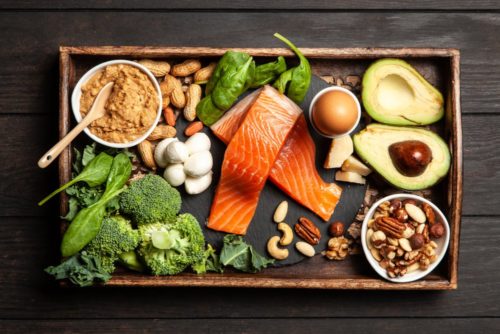
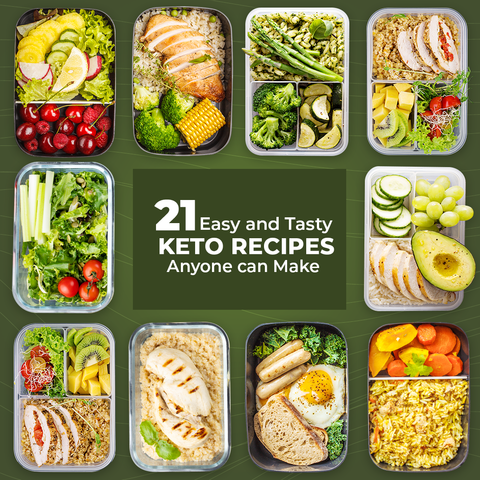
- The Ultimate Keto Meal Plan
- 300 Vegan/Plant Based Recipe Cook Book

- Kaldi Goats Coffee
- Giraffe Nuts CBD ( Post Workout Recovery)
- TIRED OF BEING OVERWEIGHT?
- Pulse Fitness Martinez
- Latest CBD Gummies and Oils!
- Bye-Bye Belly Fat!
- Hardest thing about weight loss is keeping it gone after you lose it!
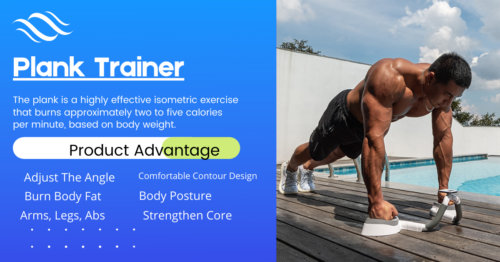
- Plank Trainer…Planks don’t just work your core: They work your entire body.
- Click here —>Revenue-Based Gym Financing: How a Revenue-Based Gym Loan Works
- 4 Signs it’s Time to Hire a Lead Generation Company for your Gym.

- Dr. Esselstyn’s Prevent & Reverse Heart Disease Program
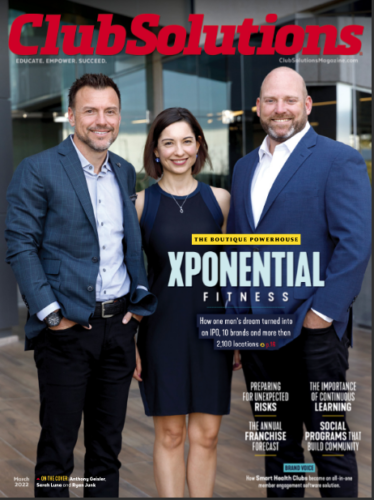
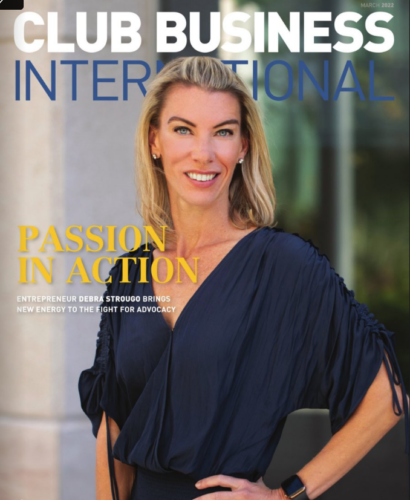
- Xponential Fitness grew from one man’s dream to a boutique fitness powerhouse Flip through the digital issue:
- Debra Strougo co-founded Row House with her husband, Eric Von Frohlich, and built it into one of the hottest studios in the business.
- Is The 1 Minute Weight Loss Program The Solution For You?
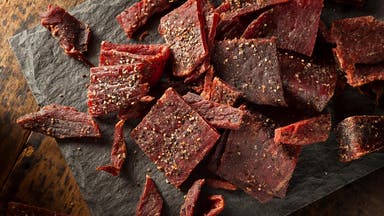
- Bodybuilding Beef Jerky!
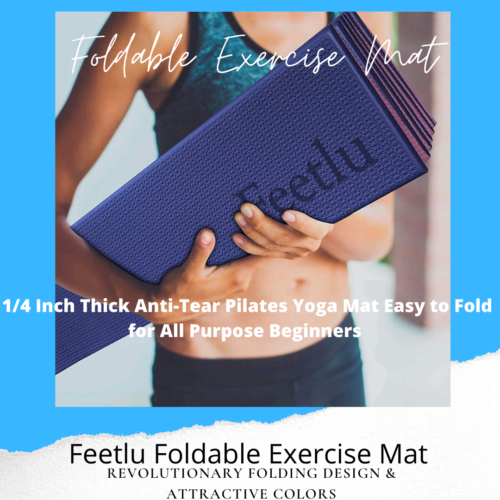
- Feetlu Foldable Exercise Mat
- Delicious, Easy-To-Make Smoothies For Rapid Weight Loss & Incredible Health!

- My Daily Choice
- Buy Plus!
- Plexus Success
- Ornery Onion Company
- Cross Gym Resistance Bands
- Do You Need to Lose 15 to 100 lbs or More?
- Transform your body without starving yourself.
- Custom Keto Diet
- Take control of your days with Daily Sprays from MyDailyChoice.
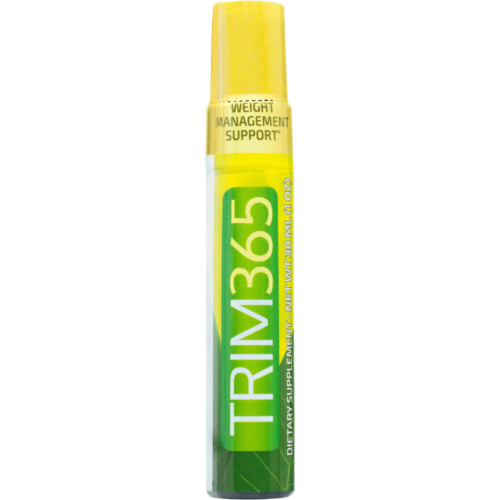
Need more energy? BOOST Energy Spray gives you the jumpstart you need upon waking, through your exercise routine, or a long day of work.
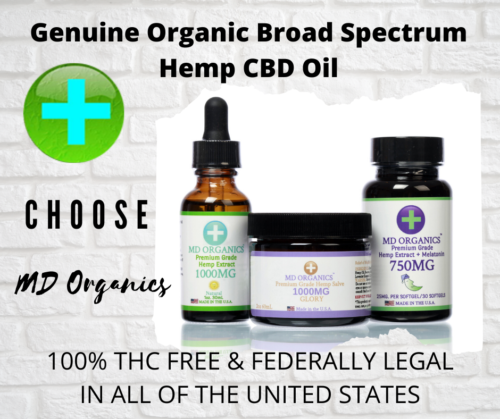
- Genuine Organic Broad Spectrum Hemp CBD Oil
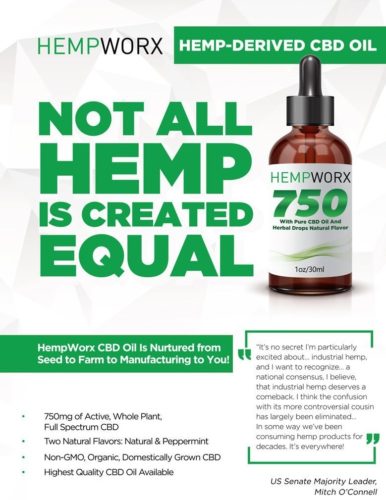
- HempWorx!…
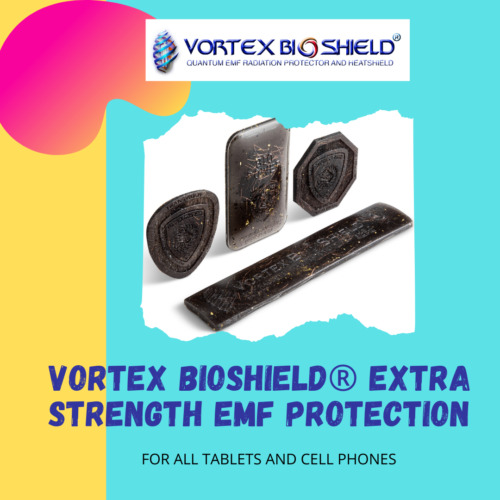
- New Crystal Powered EMF Radiation Harmonizing Protectors.
- Slenderiiz Weight Loss!
- Wherever You Go, Go Safe And Be Well.
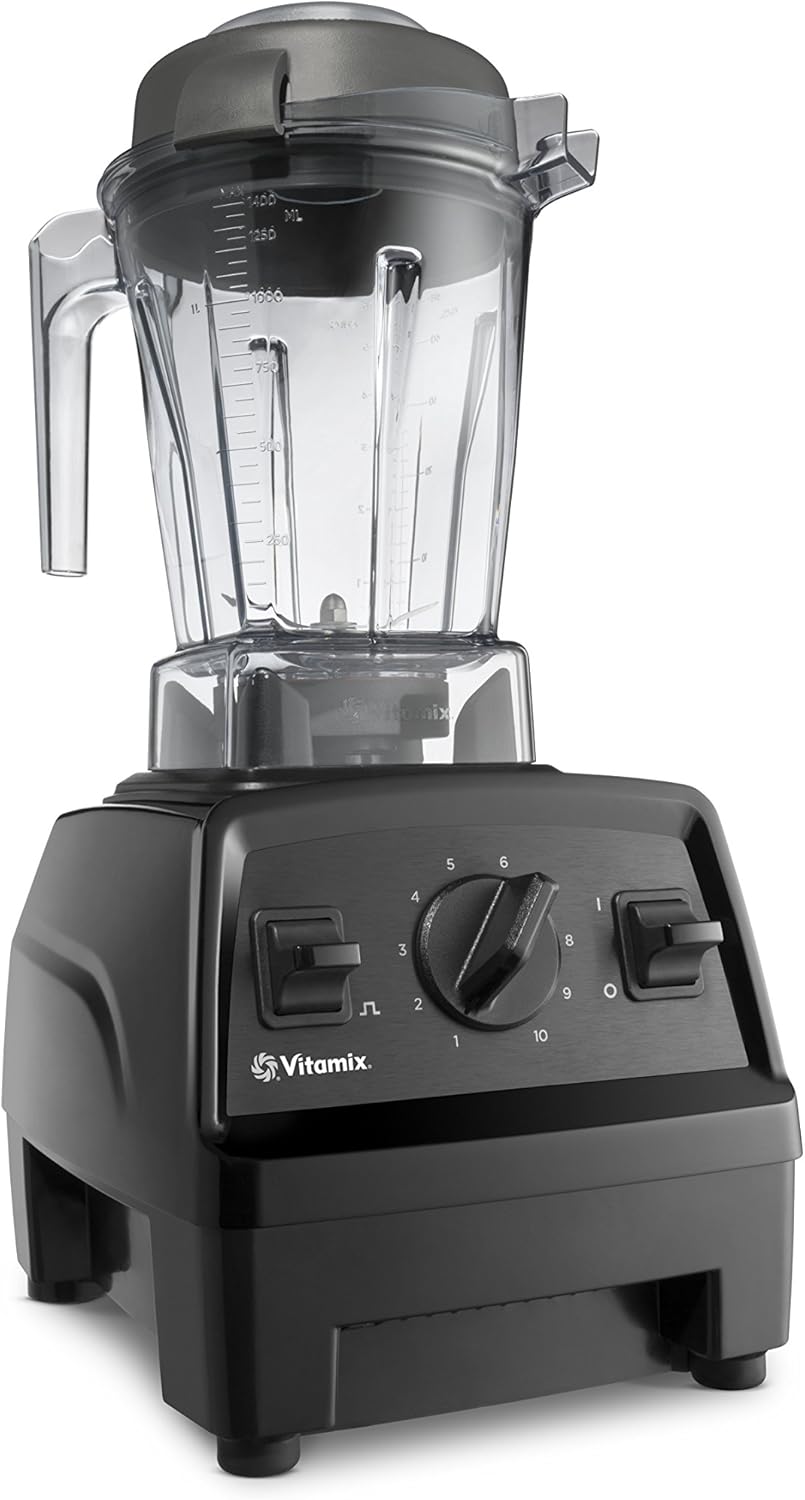
- Vitamix E310 Explorian Blender, Professional-Grade, 48 oz. Container, Black
- ODD 5 SECOND WATER “HACK” kills food cravings and MELTS 62 lbs
- How does DEEP SLEEP make you LOSE WEIGHT? See what a 2 minute after dinner ritual can do for you!
- HEALTHY HIGH PERFORMANCE FROM THE INSIDE OUT
- Full Spectrum CBD Oil by Danker Co
- GET YOUR CUSTOM KETO DIET PLAN
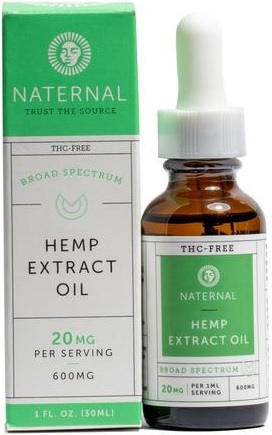
- Naternal products are made from natural sources.
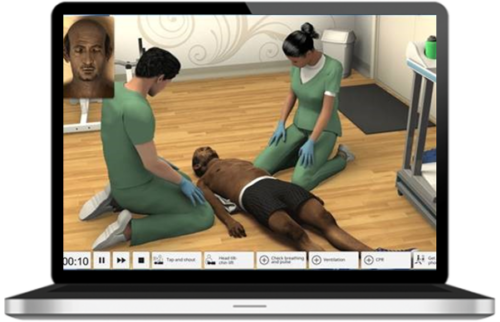
- CPR Online During The Covid Shut Down
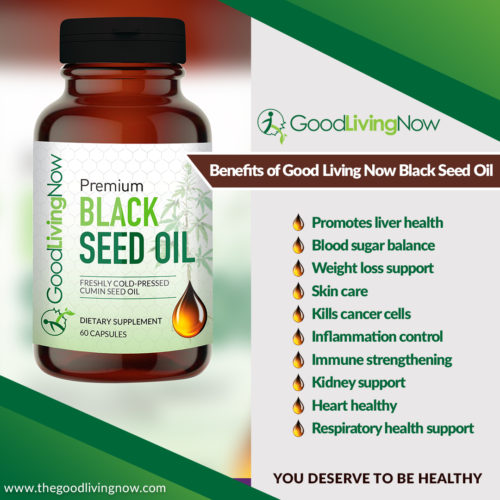
- Weight Loss & So Many More Health Benefits!
- Must Have Mint Collection

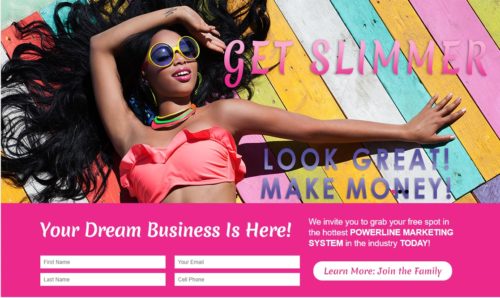
- Get Slimmer! Get Paid To Lose Weight.
- How One Woman Discovered the Female Fat-Loss Code Missed by Modern Medicine And Lost 84lbs Using a Simple 2-Step Ritual That 100% Guarantees Shocking Daily Weight Loss
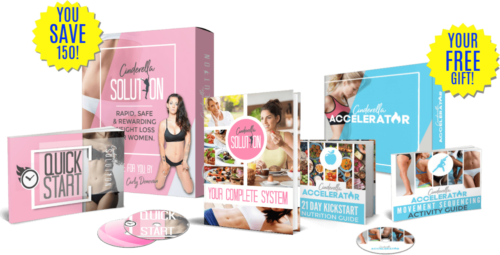
Cinderella Solution Female Weight Loss System
- Don’t Let Your Doubts Sabotage Your Actions!
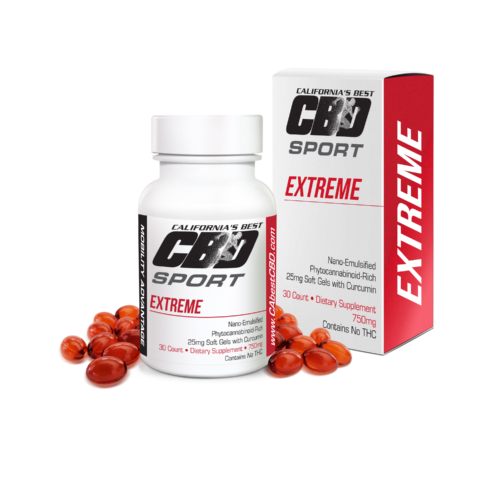
- PREMIUM CBD PRODUCTS DEVELOPED FOR YOUR LIFESTYLE
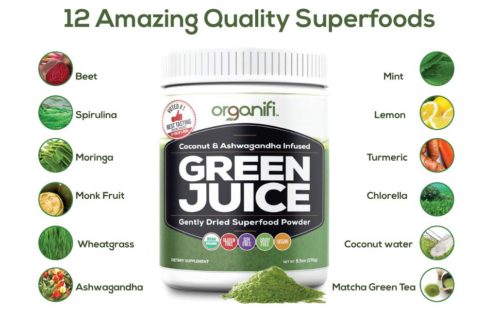
- Organifi Green Juice
- Keto Meal Plan Just For You!
- CTFO…Weight Loss Meal Replacement Shakes.
- Nutraleaves
- EBOOK EXPOSES HOW CBD HEMP OIL COULD GET RID OF ANXIETY, STRESS AND CHRONIC PAIN IN 10 MINUTES.
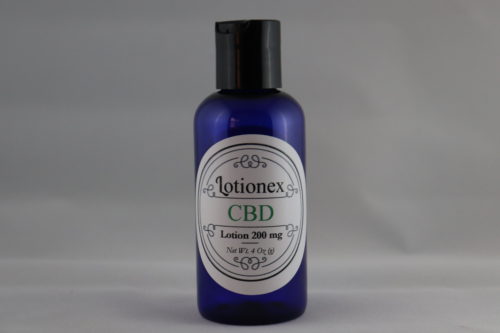
- Lotionex
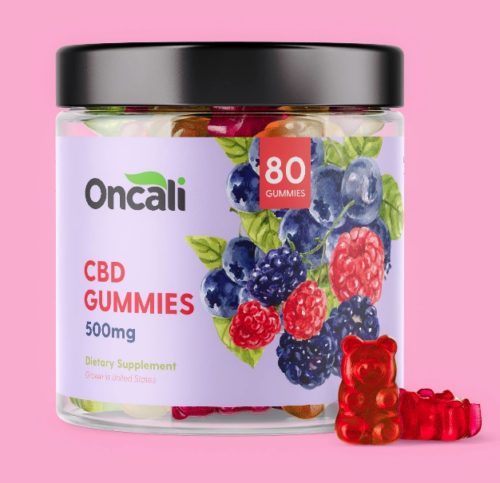
- Oncali….relax responsibly authentic cbd with simple ingredients.
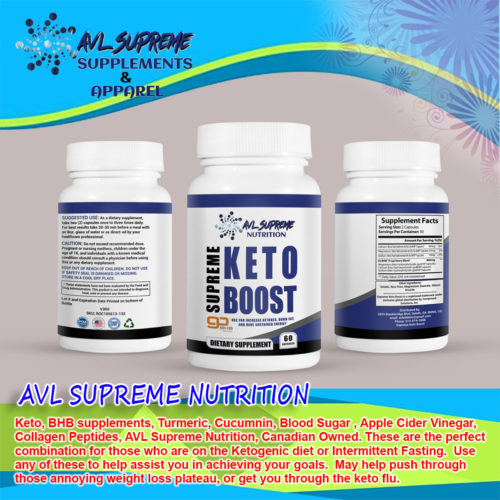
- AVL Supplements and Apparel
- THE LEAF NY
HEMP OIL & CBD
- THE BEST CBD PRODUCTS
- USA CBD Experts!
- LEPTITOX
- Buy Pure CBD Products Online! Legal Cannabidiol, NO THC.
- Experience Morocco. Truly.

- Discover HB Naturals CBD and Black Seed Oil Organic Products
- A New and Exciting Experience With MyDailyChoice!

- Changing the Futures Outcome CBD Oil
- Qberry Farms
- Your trusted source for quality SARM and SERM products

- SECRET REVEALED!Discover how more than 4 million American’s kill their anxiety on a daily basis.

- Aomega Best Hemp…From Our Fields To Your Family
- Vitamin Supplement Guide
This site is dedicated to helping you choose the right vitamin supplements for better health.
- Cinderella Solution System
- CBD BIOCARE
- What’s the Difference Between Success and Failure on the Keto Diet…