
Planet Fitness Stock Price Is On Steroids And Should Be Sold
Planet Fitness Reports Record 2015 Revenue Planet Fitness Inc (PLNT) Releases Earnings Results, Beats Expectations
 Summary
Latest annual revenue increased 18% and same store revenue were 7.7% higher, but net income only increased 2.4% because of increased income taxes.
Planet Fitness business model is based on monthly fee revenue to cover expenses and does not generate much revenue per member visit.
Their business model is based upon getting members to join but not actually using the gym.
High debt level is a worry.
Planet Fitness, Inc. (NYSE: PLNT) is a holding company for a nationwide fitness chain that targets “non-beautiful people” offering a very low priced monthly membership rate. Most of the 1,124 fitness locations (gyms) in the chain are franchised owned. The growth has been strong over the last 20 years, but there are serious problems with their long-term business model. This model is based upon members who pay a monthly fee but there is very little continued revenue per member each time they use the club, which is a non-sustainable long-term model. Variable costs per visit are not covered by additional variable revenue-mostly only fixed monthly revenue. The model is also based upon joining and rarely using the club before finally canceling memberships.
The company went public in a stock offering last August at $16 per share. The proceeds went to existing insider investors. The money manager, TSG Consumer Partners LLC, is the major insider.
The Planet Fitness locations offer various types of cardio/strength machines, dumbbells and fixed-weighted barbells up to 60#. They do not offer the standard 45# Olympic barbell used by many bodybuilders. Instead they have just Smith machines. This is in-line with their marketing plan of not being a bodybuilding type gym, but a more casual gym. Many bodybuilders join and then quit because they become weaker not using traditional free-weights. As an attractive feature, many clubs are open 24 hours, which allows for more members per club.
Their advertising is directed to those who may feel uncomfortable going to a gym. Instead of using glamorous models, they use “normal” people. In addition, their target market is the middle to lower income groups offering either a $10/month standard or $19.99/month black card membership. Both also have an additional annual fee of $29. This approach, however, fails to attract higher income professionals that use more expensive gyms for networking. Part of the experience of working out is not just health, but for conducting business and socializing. There is the risk that these non-traditional members only keep their membership for a short time period because they lose interest in working-out.
As of 12/31/16 there are 1,124 locations, including 58 corporate owned. This is how PLNT franchise plan works. A franchisee enters into an “area development agreement” and the builds gyms within that area. The average build-out is about $1.9 m per unit. The equipment is bought from Planet Fitness and is required to be replaced every 4-7 years, which guarantees future equipment sales. They also pay 5% of all sales royalty fee. According to an independent franchise website:
Planet Fitness’s franchise fee is $10,000 for a 10-year renewable agreement, though the total investment ranges from $673,100 to $1,658,000. Franchisees must also pay a 5% ongoing royalty fee on all sales to Planet Fitness. To open a gym, a franchisee must have of $1.5 million with $500,000 in liquid assets. To open an “area” (consisting of at least five gyms), a net worth of two million with $800,000 in liquid assets.
2010 2011 2012 2013 2014 2015
Stores 389 488 606 749 918 1,124
The company has commitments to open over 500 new locations over the next 3 years and over 1,000 new ones over the next 7 years. At this point I would question if these locations will actually be opened. They are not the only ones trying to expand. There is steep competition from other national and local gyms, such as Blink, who are trying to grow their franchise network.
2010 2011 2012 2013 2014 2015
Ave. member per store 5,858 5,953 6,162 6,452 6,607 6,500*
*There was a change on how memberships were removed from the list in 2015.
Revenue comes from three sources: equipment sales, franchise, and corporate-owned stores.
Members pay a down payment of $1-20 and monthly fee of $10/m for standard and $19.99/m for Black Card (which lets them use any location, bring guests, and use tanning/massage equipment). There is also an annual fee of $29. The membership can be cancelled at any time. The fees are usually an automatic debit to member’s checking account. Those without checking accounts are offered a pre-paid plan that lets them pay cash. Unlike many fitness organizations, Planet Fitness does not pay commission to their employees, who often earn slightly above minimum wage.
Most gyms have four phases. First, the initial building and purchasing of equipment. Second, opening and attracting new membership with extensive marketing. Third, attracting new members to replace those who cancel membership. Trying to maintain equipment and do modest upgrades. Fourth phase, is declining membership because of deteriorating quality of equipment. Shower, bath, and locker area needs replacement. Members cancel their membership and join new clean gyms.
A typical PLNT location sells water, Gatorade, and some tanning related supplies. In order to expand revenue from each member use, additional items could be offered –such as towel rental or protein pars. Without additional revenue per member visit, it will be difficult to generate enough revenue to cover higher costs associated with the “third phase”. That could result in that location entering the “fourth phase” sooner. Currently, per member visit expenses, such as paper towels used to wipe down equipment, is not offset by addition revenue.
The low monthly dues are an important part of their marketing plan and at some point in the future it is expected that these dues will increase. As with any fee increase, is it better to have small increases over time or wait and have larger increases at one time, which could result in temporary increased membership cancellation?
Results for year end 2015 were released after the close on 3/3/16.
Annual revenue increased 18%, but net income only increased 2.4% with income tax increasing from $1.183m to $9.148m because before the IPO, the company was a pass-through entity. Pre-tax income profit margins did increase from 13.8% to 14.3%.
The current financial leverage is major issue. There is $480m in long-term debt and shareholder equity is a negative $1.08m. While this sort of high leverage is often found in high growth stocks, it is a huge issue to conservative value investors.
The current ownership structure is somewhat complicated. Planet Fitness, Inc. has 100% voting interest in Pla-Fit Holdings, but only a 37.1% economic interest in the underlining operations. The existing insiders retain 62.9% economic interest. Future sales by insiders is expected.
Besides the YMCA and national changes such as L.A. Fitness, there are other low priced gym chains expanding nation-wide. Blink Fitness offers a one club membership of $15/month and an all-access membership at $25/month. Most gyms try to sign-up members and hope they only come a few times. It is a key to their business model. The average location has over 6.500 members and a limited space, so it would impossible for to have all the members using the gym on a regular basis. After a few months many members finally cancel their membership, which has to be done in person. They don’t want it too easy to cancel.
The company feels that it could open as many as 4,000 locations. This an almost impossible goal. Assuming 6,500 members per location, that goal would imply that there would be 26 million members. That is unrealistic. It would mean that approximately 10% of the 18-70 age population were members. With their model of large gyms with many members, rural and cities with populations of less than 85,000 would not have a large enough potential members to support a Planet Fitness location. In addition, since there are many other gyms; people have gyms at home; and many people do other forms of cardio/strength activities, that number is completely unrealistic.
The outlook for 2016 from management: 210-220 new openings; revenue $355-365m; $59-62m pro forma adjusted net income, $0.60-0.63 diluted share. (forward looking P/E 25)
I am currently a member of a number of different gyms, including Planet Fitness as Black Card member. Over the 46 years that I have been working out I have been a member of 27 different gyms. The only ones that lasted for over 10 years either owned their own property or a had favorable renewal clause in their lease. The other key factor for long-term success is offering a product/service that is purchased by most members each time they worked out.
Planet Fitness has a high debt load, an unworkable long-term business model, and competition from other low-priced fitness chains. The current stock price, which is below the IPO price of 16, is all pumped-up. It is on steroids. I consider it a strong sell.
page 1 / 3 | Next »
Hot Spot Ads
- BLS Certification in Augusta – AHA CPR Classes Only $59 or 2 for $99 at Pulse CPR

- Premier CPR & First Aid Training in Augusta, GA: Pulse CPR & First Aid School”
- Master Life-Saving Skills: American Heart Association CPR, First Aid, AED, BLS, ACLS, and PALS Training in Augusta, GA at Pulse CPR and First Aid School!

- The Ultimate Keto Meal Plan

- 300 Vegan/Plant Based Recipe Cook Book

- Kaldi Goats Coffee
- Giraffe Nuts CBD ( Post Workout Recovery)

- TIRED OF BEING OVERWEIGHT?
- Pulse Fitness Martinez
- Latest CBD Gummies and Oils!

- Bye-Bye Belly Fat!

- Hardest thing about weight loss is keeping it gone after you lose it!

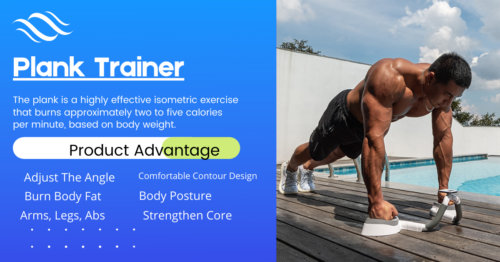
- Plank Trainer…Planks don’t just work your core: They work your entire body.
- Click here —>Revenue-Based Gym Financing: How a Revenue-Based Gym Loan Works
- 4 Signs it’s Time to Hire a Lead Generation Company for your Gym.

- Dr. Esselstyn’s Prevent & Reverse Heart Disease Program

- Xponential Fitness grew from one man’s dream to a boutique fitness powerhouse Flip through the digital issue:
- Debra Strougo co-founded Row House with her husband, Eric Von Frohlich, and built it into one of the hottest studios in the business.
- Is The 1 Minute Weight Loss Program The Solution For You?

- Bodybuilding Beef Jerky!
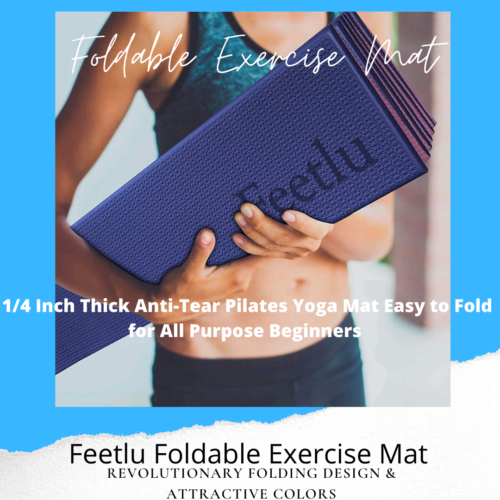
- Feetlu Foldable Exercise Mat
- Delicious, Easy-To-Make Smoothies For Rapid Weight Loss & Incredible Health!

- My Daily Choice

- Buy Plus!
- Plexus Success

- Ornery Onion Company

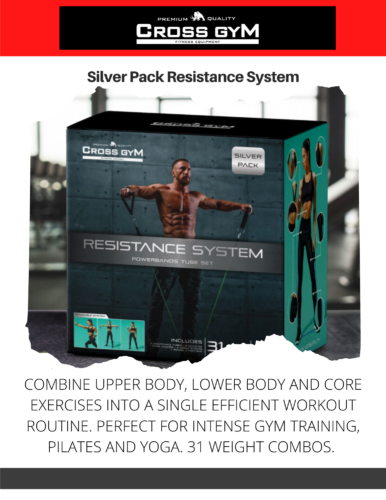
- Cross Gym Resistance Bands
- Do You Need to Lose 15 to 100 lbs or More?

- Transform your body without starving yourself.
- Custom Keto Diet

- Take control of your days with Daily Sprays from MyDailyChoice.
Need more energy? BOOST Energy Spray gives you the jumpstart you need upon waking, through your exercise routine, or a long day of work.
- Genuine Organic Broad Spectrum Hemp CBD Oil

- HempWorx!…

- New Crystal Powered EMF Radiation Harmonizing Protectors.

- Slenderiiz Weight Loss!

- Wherever You Go, Go Safe And Be Well.

- Vitamix E310 Explorian Blender, Professional-Grade, 48 oz. Container, Black
- ODD 5 SECOND WATER “HACK” kills food cravings and MELTS 62 lbs
- How does DEEP SLEEP make you LOSE WEIGHT? See what a 2 minute after dinner ritual can do for you!
- HEALTHY HIGH PERFORMANCE FROM THE INSIDE OUT

- Full Spectrum CBD Oil by Danker Co

- GET YOUR CUSTOM KETO DIET PLAN

- Naternal products are made from natural sources.
- CPR Online During The Covid Shut Down
- Weight Loss & So Many More Health Benefits!
- Must Have Mint Collection

- Get Slimmer! Get Paid To Lose Weight.

- How One Woman Discovered the Female Fat-Loss Code Missed by Modern Medicine And Lost 84lbs Using a Simple 2-Step Ritual That 100% Guarantees Shocking Daily Weight Loss

Cinderella Solution Female Weight Loss System
- Don’t Let Your Doubts Sabotage Your Actions!

- PREMIUM CBD PRODUCTS DEVELOPED FOR YOUR LIFESTYLE
- Organifi Green Juice

- Keto Meal Plan Just For You!

- CTFO…Weight Loss Meal Replacement Shakes.
- Nutraleaves

- EBOOK EXPOSES HOW CBD HEMP OIL COULD GET RID OF ANXIETY, STRESS AND CHRONIC PAIN IN 10 MINUTES.

- Lotionex
- Oncali….relax responsibly authentic cbd with simple ingredients.

- AVL Supplements and Apparel
- THE LEAF NY
HEMP OIL & CBD
- THE BEST CBD PRODUCTS

- USA CBD Experts!
- LEPTITOX
- Buy Pure CBD Products Online! Legal Cannabidiol, NO THC.

- Experience Morocco. Truly.

- Discover HB Naturals CBD and Black Seed Oil Organic Products

- A New and Exciting Experience With MyDailyChoice!

- Changing the Futures Outcome CBD Oil

- Qberry Farms
- Your trusted source for quality SARM and SERM products

- SECRET REVEALED!Discover how more than 4 million American’s kill their anxiety on a daily basis.

- Aomega Best Hemp…From Our Fields To Your Family

- Vitamin Supplement Guide

This site is dedicated to helping you choose the right vitamin supplements for better health.
- Cinderella Solution System

- CBD BIOCARE

- What’s the Difference Between Success and Failure on the Keto Diet…
 Advertise
- Advertise your Affiliate Marketing product on Health Club News for $5MUST READ....Very Limited Time on this amazing offer...I promise this will not be up for long because we lose money on this offer...but it's worth it to us to allow you to experience what Health Club News is all about. We want you to be a customer for years to come. www.healthclubnews.org Advertise your CLICKBANK, […]
- Advertise your clickbank product on Health Club News for one week for $5Advertise With Us: Target Market Of Diet & Weight Loss Customers For Only $1 Here’s your Special Invitation to advertise your clickbank Product, Supplement, eBook or Service. Attract targeted customers to visit your site and spend money on a new items. Health Club News: We are growing each month in popularity and currently Ranking #1 […]
- Advertise your banner on my travel blog for $1Advertise With Us: Target Market Of Diet & Weight Loss Customers For Only $1 Here’s your Special Invitation to advertise on our top travel site, advertise your service, product ,eBook or travel Service. Attract targeted customers to visit your site and spend money on a new items.http://margaritavillenow.com/ Margaritaville Now is growing each month in popularity […]
- Drive 300 niche targeted USA traffic to your website or product each day for $10I will do a campaign to help you generate unique visitors to your link or website. This will be 90% USA / Canada and Europe visitors from sites like bing, google, facebook, twitter, instagram, tumblr, quora, niche blogs...We are connected to a well-known Advertising Network and an SEO professional with extensive background in online marketing […]
- Advertise your weight loss site for $5Weight Loss Advertising. Advertise With Us: Target Market Of Diet & Weight Loss Customers For Only $5 with Guaranteed Real Traffic Boost. Here’s your Special Invitation to advertise your Weight Loss or Diet Product, Supplement, eBook or Service. Attract targeted customers to visit your site and spend money on a new health related items. Banz […]
- Promote and advertise your affiliate product for $5Advertise With Us: Target Market Of Clickbank or Affiliate Marketing Customers For Only $5 with Guaranteed Real Traffic Boost. Here’s your Special Invitation to advertise your Clickbank or Affiliate Marketing Product, Supplement, eBook or Service. Attract targeted customers to visit your site and spend money on a new Clickbank or Affiliate Marketing related items. We […]
- Advertise Your Fitness and Weight Loss Product or Site for $5Advertise Your Fitness and Weight Loss Product or Site Advertise With Us: Target Market Of Diet & Weight Loss Customers For Only $10 with Guaranteed Real Traffic Boost. Here’s your Special Invitation to advertise your Weight Loss or Diet Product, Supplement, eBook or Service. Attract targeted customers to visit your site and spend money on […]
Club Solutions Health Club News Stories
- Orangetheory Fitness Announces Expansion into Italy
- Aligned Fitness Acquires Six Club Pilates Studios, Expands Presence Into New Jersey
- Crunch Fitness Launches Crunch Reform Pilates
- They Left. Now What? How Fitness Clubs are Winning Back Former Members
- 7 Things Mark Mastrov Wants Every Gym Operator to Know Right Now
- World Gym Corporation Partners with HYROX to Accelerate Fitness Racing Across Taiwan, with Expansion in Thailand
- Growing Revenue Without Sacrificing the Member Experience
- Economic Clarity, AI Strategy and Honest Conversations at the 2026 Club Solutions Leadership Summit
Health Club News Feed
- Untitled
- BLS Certification in Augusta – AHA CPR Classes Only $59 or 2 for $99 at Pulse CPR
- 25 Women Needed for 36-Week Weight-Loss Study
- Crunch Fitness Brings State-of-the-Art 3.0 Facility to Madera, California
- Fitness Ventures Expands South Texas Footprint With Three New Crunch Locations
- Health Club News: Your Ultimate Source for Health Club, Gym, Spa, and Fitness Franchise Industry Intelligence
- Best of the Best Gym/Health Club: YMCA
- Tom Leverton Named CEO of Purpose Brands, Leading Global Growth in Health and Wellness
- Premier CPR & First Aid Training in Augusta, GA: Pulse CPR & First Aid School”
- Unveiling Health Club News: Your Ultimate Hub for Fitness Industry Updates