Interview: Alejandro Martí of Sport City in Mexico
CBI: First, please update us on the current status of Sport City. How many clubs do you have now, and where are they located? What are their target market and average dues?
Alejandro Marti: We have 42 premium family-oriented clubs that are targeted toward affluent individuals. They offer state-of-the-art cardio and strength-training equipment, squash, tennis, paddle tennis, swimming, and a long list of classes that include yoga, Pilates, and Spinning.
The clubs are located in major cities throughout Mexico, including Mexico City, Monterrey, Puebla, Cancun, Leon, Guadalajara, and Villahermosa. Their average monthly dues are approximately $200.
CBI: What initially prompted you to create Sport City? Were you an athlete yourself?
AM: While I’ve never been an “athlete,” I have always included a sport or a workout in my daily routine. My father and grandfather were sporting-goods merchants, and my life as a sporting-goods retailer was always closely involved with sports and fitness.
We founded our first Sport City Health and Fitness Club in 1995—before the fitness and wellness industry really got started in Mexico. At that time, the only gyms in existence were small studios and low-quality or “pumping-iron” gyms. There were no big players.
CBI: So you were the first in Mexico to open a large multifaceted facility?
AM: Yes. A large, multipurpose, sophisticated, high-end facility like Sport City was a revolutionary concept; there was nothing else like it. My goal was to offer “the world’s finest fitness clubs”—that is, high-quality 75,000-square-foot facilities with experienced staff, offering the latest workout programs to all consumers, including athletes.
CBI: Briefly, how would you describe the Mexican health club market today?
AM: It is very fragmented. There are a couple of chains, many mom-and-pop clubs, and a number of U.S. franchises, including Curves, Bally Total Fitness, Anytime Fitness, Snap Fitness, and Hard Candy. I think your readers might be surprised to know that the competition here is fierce. There are a lot of newcomers in the Mexican marketplace, including the franchisors I just mentioned.
Also, our culture is still coming to grips with the concepts of exercise and wellness. In the U.S., Europe, and even in South American, people are much more comfortable with the idea of regular exercise. I would say that, at this point, our biggest “challenge” is that Mexicans are unwilling to commit to exercise.
CBI: Do you expect to open more clubs in 2012?
AM: We plan to continue at our current pace of expansion—opening three or four clubs a year.
CBI: How has Sport City been coping with the global economic downturn?
AM: At Sport City, we have fought to improve retention by improving our service. We have also generated sales with special offerings, such as new group classes each month.
CBI: Given the current economic state, how is your new low-cost operation, Sport City Active, faring?
AM: Sport City Active, which we launched earlier this year, already has 2,700 members. This 40,000-square-foot club offers cardio and weights, a Spinning room, group fitness, and a pool, with dues of under $100 per month. Sport City Active is still in the testing phase, and we may open more locations in the future.
CBI: Moving on to a more personal, but no less important, topic: we’ve learned that you will soon be honored with the Woodrow Wilson Award for Public Service. How did this nomination come about?
AM: In 2008, my 14-year-old son, Fernando, was kidnapped and murdered. Despite all the grief and sorrow I felt, I decided not to retreat, but to fight against crime and the corruption and indifference of the Mexican government. I raised my voice because I did not want to tolerate more cases like Fernando’s. I founded Mexico SOS, an organization that promotes legal reform and a reliable judicial system. Many Mexican people have joined me in this effort.
Early this year, I received the notice from the Woodrow Wilson Center of Mexico that I was being nominated to receive the award, which is really an honor for me. It will be presented at a ceremony in Mexico City on November 15.
CBI: Are there any other factors that may have contributed to your nomination?
AM: I would like to mention that my life as a businessman may also have led to my being considered for this award. In addition, my corporate team, headed by our CEO, Carlos Gomez Andonaegui, deserves major recognition.
Also important is the fact that I was invited to join the board of directors of the U.S./Mexico Foundation. This organization and its mission are praiseworthy—it demonstrates a dedication to philanthropy, and a strong connection among like-minded individuals in our neighboring countries.
CBI: What has been the final outcome of the case involving your son? Have all of those responsible been arrested, tried, and/or imprisoned?
AM: More than 15 delinquents involved in my son’s case are already incarcerated. However, two or three are still walking the streets. Unfortunately, I cannot say that the authorities did their jobs completely. I, myself, am still investigating the case. I am trying to be the voice of the victims of crime.
CBI: Respectfully, how has the loss of your son altered your life and career, overall?
What helped you to get through this? How did you find the strength?
AM: I am living an unexpected life; the course it has taken was one that I never planned. As a businessman, I always imagined that, in my elderly years, I would live a happy and peaceful life with my youngest sons, Fernando and Alejandro, my oldest child, Jimena, and my lovely wife, Matilde, surrounded by a bunch of grandchildren. I envisioned having plenty of time for them.
Now, my “religion” is to work for the common good of victims of crime. My son, Fernando, gave me the strength. I know that he would have wanted me to fight for the victims of crime. He has been my inspiration.
CBI: Given what you’ve been through, do you think, if you were a young man, you would still enter the sporting-goods and health club business, or would you choose something else?
AM: If had to choose, I’m sure that I would choose the same businesses. I have enjoyed them all of my life.
CBI: Given the national and international attention to your son’s death, are you now able to do things for your community that were not possible before?
AM: Yes, I think that is the case. One of the missions of Mexico SOS—and one of my own—is to give a voice to ordinary Mexican citizens. The message is that corruption and indifference need to stop, and that crime will no longer be tolerated.
Mexico SOS unites associations with the same mission—Observatorios Cidudanos (citizen’s watch)—within the entire country. I am working every day with Mexico SOS, whose objective is to promote the law and a more equal society.
CBI: Following these last few challenging years, it seems appropriate to ask how your philosophy has changed. Do you have any final words of wisdom to offer to others?
AM: My advice is to fight for your dreams, and to fight for a better world.
Alejandro Joaquín Martí García, 61, is descended from José Martí, the 19th-century Cuban liberator. His father and grandfather, sporting-goods merchants, embarked on business in Mexico City in 1936. In 1968, Martí and his father founded Martí, the first sporting-goods chain in Mexico, to celebrate the Mexico City Olympics. Four years later, Martí completed his BA in business administration at Universidad La Salle. In 1995, as president and cofounder of Fondo Opción, a real estate firm, he launched Sport City, the first high-end, family-oriented club chain in Mexico. It now has locations in major cities throughout the country. In 2007, Martí became chairman of the board of Grupo Martí, S. A., the holding company for more than 100 Martí sports stores and 42 Sport City clubs. In 2008, after the tragic kidnapping and death of his son, Fernando, Martí launched a national crusade against violence in Mexico. He resides in Mexico City with his family.
Honored For His Commitment
On November 15, the Woodrow Wilson Center’s Mexico Institute will present its Woodrow Wilson Award for Public Service to Alejandro Joaquín Martí García. This award is given by the nonpartisan Washington D.C.-based Woodrow Wilson International Center for Scholars of the Smithsonian, which explores national and global issues, to individuals who have served with distinction in public service and have shown a special commitment to seeking out informed opinions and thoughtful views in the public interest. Past recipients of the award have included Vice President Richard Cheney, Senator John S. McCain, General Colin Powell, Dr. Kenneth H. Cooper, Stefanie Graf, General David H. Petraeus, Condoleezza Rice, and Andre Agassi.
Hot Spot Ads
- BLS Certification in Augusta – AHA CPR Classes Only $59 or 2 for $99 at Pulse CPR

- Premier CPR & First Aid Training in Augusta, GA: Pulse CPR & First Aid School”
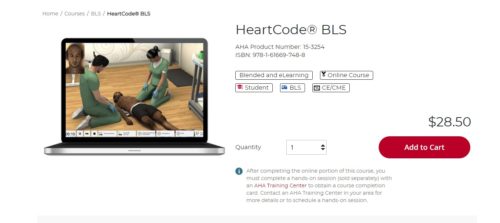
- Master Life-Saving Skills: American Heart Association CPR, First Aid, AED, BLS, ACLS, and PALS Training in Augusta, GA at Pulse CPR and First Aid School!

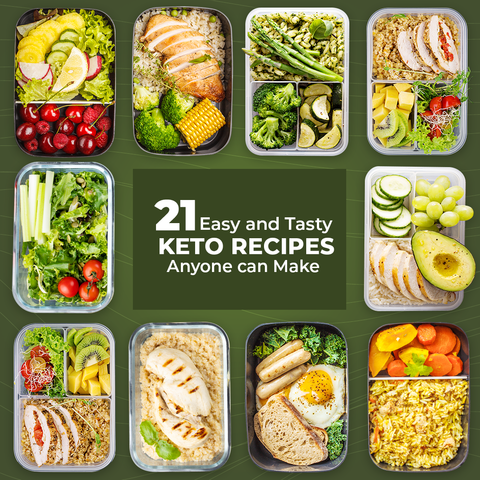
- The Ultimate Keto Meal Plan

- 300 Vegan/Plant Based Recipe Cook Book

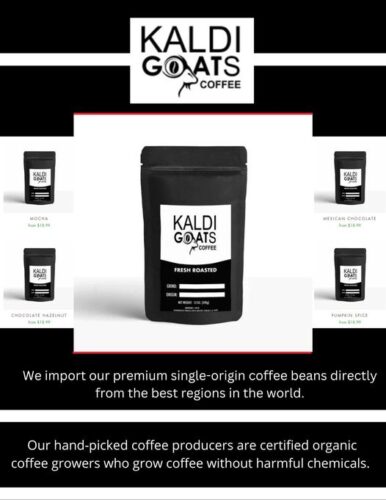
- Kaldi Goats Coffee
- Giraffe Nuts CBD ( Post Workout Recovery)

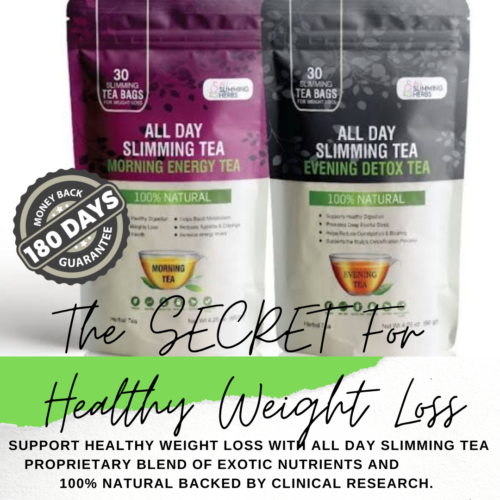
- TIRED OF BEING OVERWEIGHT?
- Pulse Fitness Martinez
- Latest CBD Gummies and Oils!

- Bye-Bye Belly Fat!
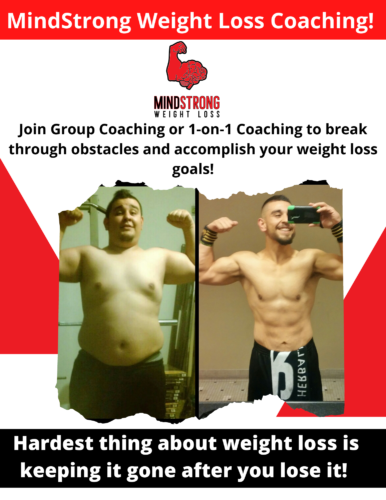
- Hardest thing about weight loss is keeping it gone after you lose it!
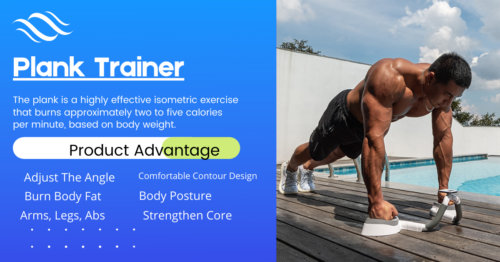
- Plank Trainer…Planks don’t just work your core: They work your entire body.
- Click here —>Revenue-Based Gym Financing: How a Revenue-Based Gym Loan Works
- 4 Signs it’s Time to Hire a Lead Generation Company for your Gym.

- Dr. Esselstyn’s Prevent & Reverse Heart Disease Program

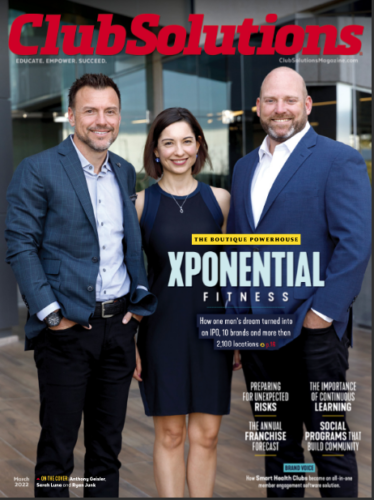
- Xponential Fitness grew from one man’s dream to a boutique fitness powerhouse Flip through the digital issue:
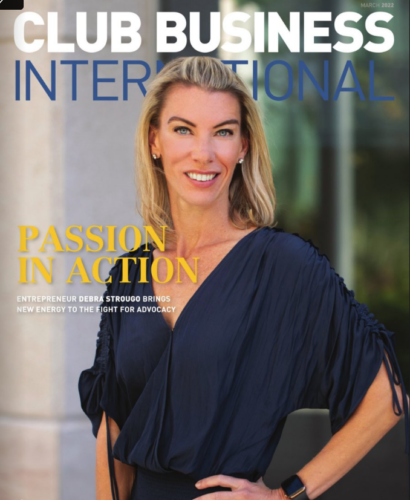
- Debra Strougo co-founded Row House with her husband, Eric Von Frohlich, and built it into one of the hottest studios in the business.
- Is The 1 Minute Weight Loss Program The Solution For You?

- Bodybuilding Beef Jerky!
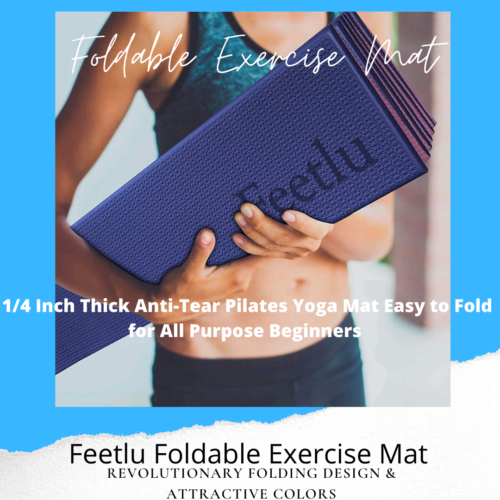
- Feetlu Foldable Exercise Mat
- Delicious, Easy-To-Make Smoothies For Rapid Weight Loss & Incredible Health!

- My Daily Choice
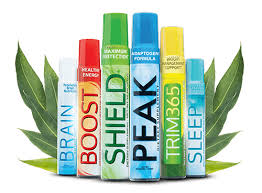
- Buy Plus!

- Plexus Success

- Ornery Onion Company

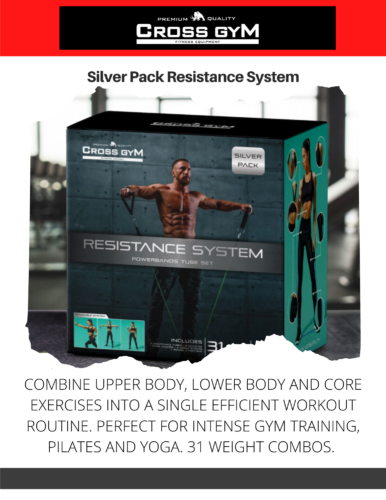
- Cross Gym Resistance Bands
- Do You Need to Lose 15 to 100 lbs or More?
- Transform your body without starving yourself.
- Custom Keto Diet

- Take control of your days with Daily Sprays from MyDailyChoice.
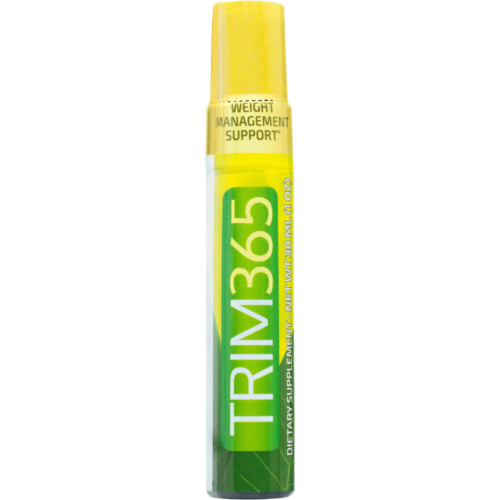
Need more energy? BOOST Energy Spray gives you the jumpstart you need upon waking, through your exercise routine, or a long day of work.
- Genuine Organic Broad Spectrum Hemp CBD Oil

- HempWorx!…

- New Crystal Powered EMF Radiation Harmonizing Protectors.

- Slenderiiz Weight Loss!

- Wherever You Go, Go Safe And Be Well.
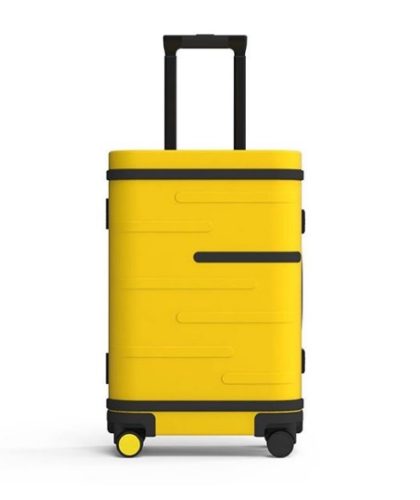
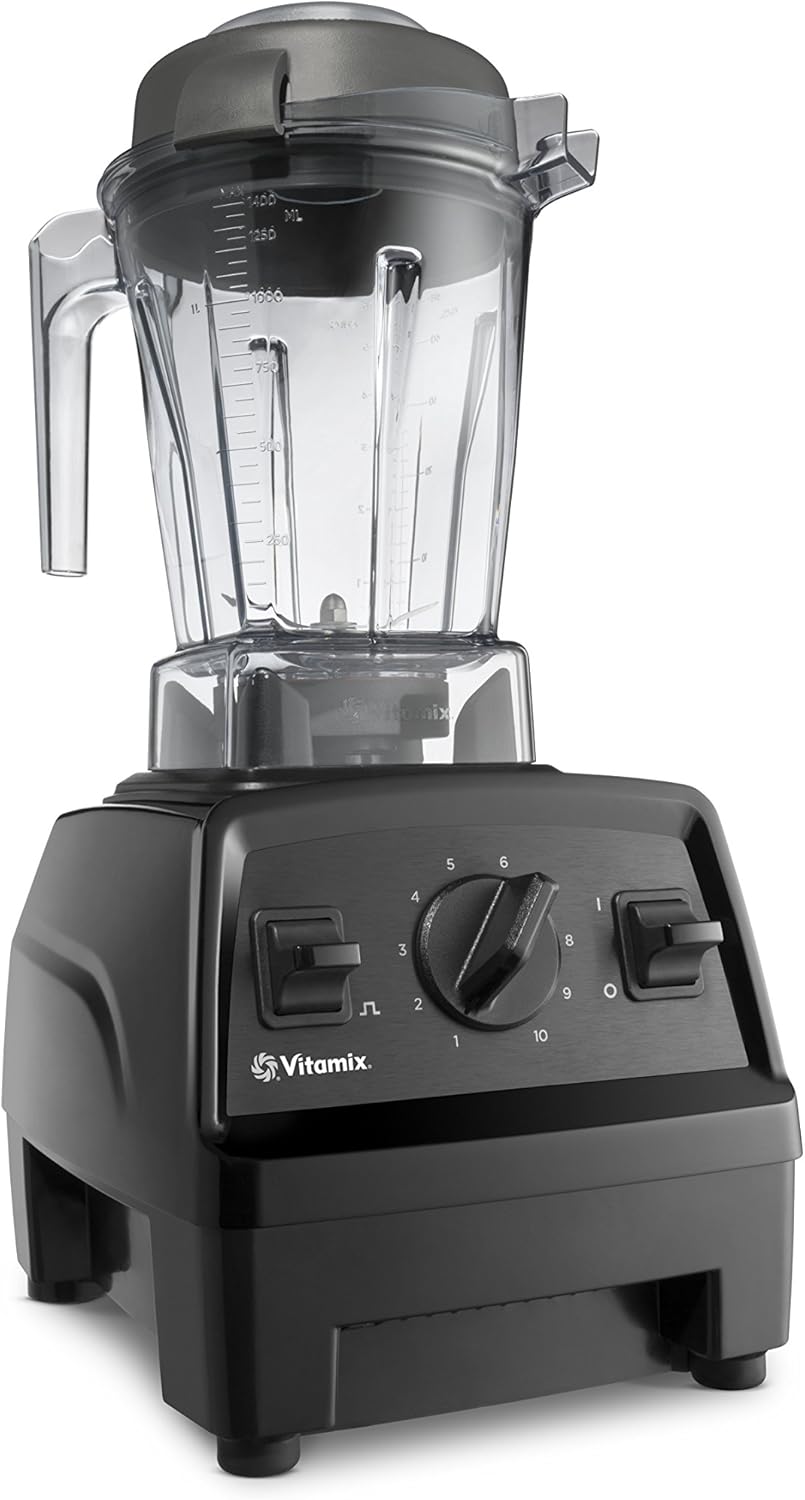
- Vitamix E310 Explorian Blender, Professional-Grade, 48 oz. Container, Black
- ODD 5 SECOND WATER “HACK” kills food cravings and MELTS 62 lbs
- How does DEEP SLEEP make you LOSE WEIGHT? See what a 2 minute after dinner ritual can do for you!
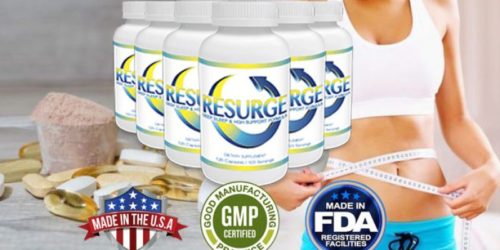
- HEALTHY HIGH PERFORMANCE FROM THE INSIDE OUT

- Full Spectrum CBD Oil by Danker Co

- GET YOUR CUSTOM KETO DIET PLAN

- Naternal products are made from natural sources.
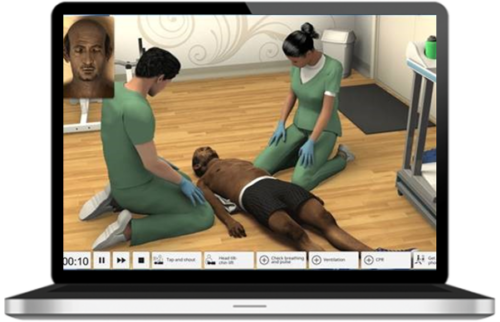
- CPR Online During The Covid Shut Down
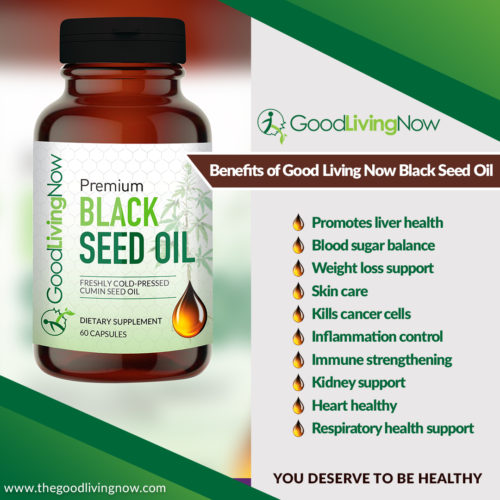
- Weight Loss & So Many More Health Benefits!
- Must Have Mint Collection

- Get Slimmer! Get Paid To Lose Weight.

- How One Woman Discovered the Female Fat-Loss Code Missed by Modern Medicine And Lost 84lbs Using a Simple 2-Step Ritual That 100% Guarantees Shocking Daily Weight Loss

Cinderella Solution Female Weight Loss System
- Don’t Let Your Doubts Sabotage Your Actions!

- PREMIUM CBD PRODUCTS DEVELOPED FOR YOUR LIFESTYLE
- Organifi Green Juice
- Keto Meal Plan Just For You!

- CTFO…Weight Loss Meal Replacement Shakes.
- Nutraleaves

- EBOOK EXPOSES HOW CBD HEMP OIL COULD GET RID OF ANXIETY, STRESS AND CHRONIC PAIN IN 10 MINUTES.

- Lotionex
- Oncali….relax responsibly authentic cbd with simple ingredients.
- AVL Supplements and Apparel
- THE LEAF NY
HEMP OIL & CBD
- THE BEST CBD PRODUCTS

- USA CBD Experts!
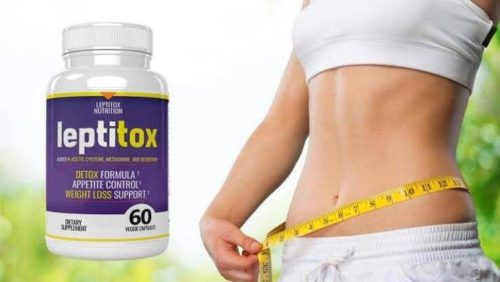
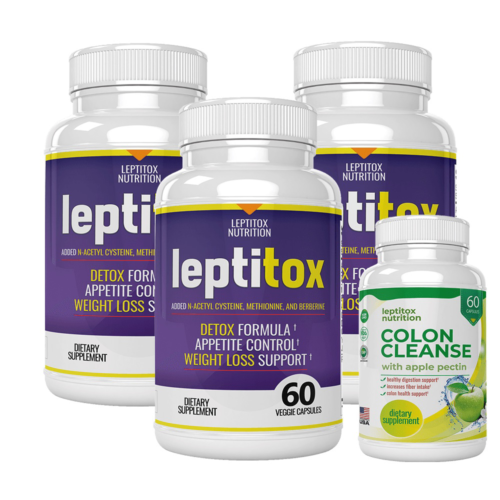
- LEPTITOX
- Buy Pure CBD Products Online! Legal Cannabidiol, NO THC.

- Experience Morocco. Truly.

- Discover HB Naturals CBD and Black Seed Oil Organic Products

- A New and Exciting Experience With MyDailyChoice!

- Changing the Futures Outcome CBD Oil

- Qberry Farms
- Your trusted source for quality SARM and SERM products

- SECRET REVEALED!Discover how more than 4 million American’s kill their anxiety on a daily basis.

- Aomega Best Hemp…From Our Fields To Your Family

- Vitamin Supplement Guide

This site is dedicated to helping you choose the right vitamin supplements for better health.
- Cinderella Solution System

- CBD BIOCARE
- What’s the Difference Between Success and Failure on the Keto Diet…
 Advertise
- Advertise your Affiliate Marketing product on Health Club News for $5MUST READ....Very Limited Time on this amazing offer...I promise this will not be up for long because we lose money on this offer...but it's worth it to us to allow you to experience what Health Club News is all about. We want you to be a customer for years to come. www.healthclubnews.org Advertise your CLICKBANK, […]
- Advertise your clickbank product on Health Club News for one week for $5Advertise With Us: Target Market Of Diet & Weight Loss Customers For Only $1 Here’s your Special Invitation to advertise your clickbank Product, Supplement, eBook or Service. Attract targeted customers to visit your site and spend money on a new items. Health Club News: We are growing each month in popularity and currently Ranking #1 […]
- Advertise your banner on my travel blog for $1Advertise With Us: Target Market Of Diet & Weight Loss Customers For Only $1 Here’s your Special Invitation to advertise on our top travel site, advertise your service, product ,eBook or travel Service. Attract targeted customers to visit your site and spend money on a new items.http://margaritavillenow.com/ Margaritaville Now is growing each month in popularity […]
- Drive 300 niche targeted USA traffic to your website or product each day for $10I will do a campaign to help you generate unique visitors to your link or website. This will be 90% USA / Canada and Europe visitors from sites like bing, google, facebook, twitter, instagram, tumblr, quora, niche blogs...We are connected to a well-known Advertising Network and an SEO professional with extensive background in online marketing […]
- Advertise your weight loss site for $5Weight Loss Advertising. Advertise With Us: Target Market Of Diet & Weight Loss Customers For Only $5 with Guaranteed Real Traffic Boost. Here’s your Special Invitation to advertise your Weight Loss or Diet Product, Supplement, eBook or Service. Attract targeted customers to visit your site and spend money on a new health related items. Banz […]
- Promote and advertise your affiliate product for $5Advertise With Us: Target Market Of Clickbank or Affiliate Marketing Customers For Only $5 with Guaranteed Real Traffic Boost. Here’s your Special Invitation to advertise your Clickbank or Affiliate Marketing Product, Supplement, eBook or Service. Attract targeted customers to visit your site and spend money on a new Clickbank or Affiliate Marketing related items. We […]
- Advertise Your Fitness and Weight Loss Product or Site for $5Advertise Your Fitness and Weight Loss Product or Site Advertise With Us: Target Market Of Diet & Weight Loss Customers For Only $10 with Guaranteed Real Traffic Boost. Here’s your Special Invitation to advertise your Weight Loss or Diet Product, Supplement, eBook or Service. Attract targeted customers to visit your site and spend money on […]
Club Solutions Health Club News Stories
- Orangetheory Fitness Announces Expansion into Italy
- Aligned Fitness Acquires Six Club Pilates Studios, Expands Presence Into New Jersey
- Crunch Fitness Launches Crunch Reform Pilates
- They Left. Now What? How Fitness Clubs are Winning Back Former Members
- 7 Things Mark Mastrov Wants Every Gym Operator to Know Right Now
- World Gym Corporation Partners with HYROX to Accelerate Fitness Racing Across Taiwan, with Expansion in Thailand
- Growing Revenue Without Sacrificing the Member Experience
- Economic Clarity, AI Strategy and Honest Conversations at the 2026 Club Solutions Leadership Summit
Health Club News Feed
- Untitled
- BLS Certification in Augusta – AHA CPR Classes Only $59 or 2 for $99 at Pulse CPR
- 25 Women Needed for 36-Week Weight-Loss Study
- Crunch Fitness Brings State-of-the-Art 3.0 Facility to Madera, California
- Fitness Ventures Expands South Texas Footprint With Three New Crunch Locations
- Health Club News: Your Ultimate Source for Health Club, Gym, Spa, and Fitness Franchise Industry Intelligence
- Best of the Best Gym/Health Club: YMCA
- Tom Leverton Named CEO of Purpose Brands, Leading Global Growth in Health and Wellness
- Premier CPR & First Aid Training in Augusta, GA: Pulse CPR & First Aid School”
- Unveiling Health Club News: Your Ultimate Hub for Fitness Industry Updates