
More Exercisers Turning to Small Gyms


More Exercisers Turning to Small Gyms
|
Sherry Reid didn’t catch a break even in the final minutes of her workout.
Her trainer, Antwain Britt, a retired professional martial arts fighter, guided her through a series of back squats, with Reid hefting 135 pounds – she weighs 115 – stacked on a barbell held behind her head. Next, weighted lunges. With a 30-pound dumbbell in each hand, she walked across the gym. With each step, she bent one leg, dropping her other knee to the ground. Britt didn’t let up. “Really push off that back leg,” he coached her. Reid, a TowneBank executive, wouldn’t have it any other way. “I don’t want him to go easy on me,” she said after high-fiving Reid at the end of her session. She’s been a regular since the gym, Britt Fit Zone, opened in March in the Great Neck section of Virginia Beach. Together, they illustrate how the fitness industry is pumping up. The number of U.S. gyms and members continues to grow, totaling 30,500 and 51.3 million, respectively, at the start of 2013, the International Health, Racquet & Sportsclub Association reported. That represents a 150 percent jump from the 20.7 million members reported in 1990. The smaller gyms, not the massive fitness centers with swimming pools and basketball courts, are packing the biggest gains. “Like any other service business, at some point people realize they can’t serve everyone,” said Rick Caro, president of Management Vision Inc. in New York, a fitness business consultant and founder of the health association. “They have to differentiate themselves, sometimes to a particular segment.” Britt offers personal training to more than 20 clients, including Reid. But what distinguishes his gym is the schedule of classes, which incorporate movements from kickboxing and other martial arts. Britt Fit Zone even teaches muay thai, a martial art, to children from 4 to 13, a booming demographic for gyms. “People are looking for a more customized way to get fit,” said Britt, 35, who turned to kickboxing in his 20s after ballooning to 320 pounds. With 9,300 square feet, Britt Fit Zone has few of the machines that usually cram a gym. But it features a free weight area, a section with 12 punching bags, a boxing ring, an exercise room (where six people were taking a yoga class during Reid’s session) and another room, where toddlers roll a ball and engage in other exercises with a staff member while their parents work out. Britt Fit Zone – like two other small local gyms that opened this month, Pure Barre at Hilltop in Virginia Beach and Anytime Fitness in Ghent in Norfolk – also has won instant fans for an “everyone knows your name” feel. Reid, 51, said she’s tried bigger gyms but found them “macho” and impersonal. “You’re lost,” she said. At Britt, “we all click. We’re working for the same goal: to improve our bodies and strength. These people are like family.” Britt and co-owner Tammy O’Rourke said they invested more than $150,000 to open the gym. It has about 78 members, which he said is in line with his expectations. Britt hopes to begin making a profit by midsummer. Health clubs should reach a break-even point within 18 months of their opening, said Melissa Rodriguez, senior research manager for the fitness association, based in Boston. Smaller gyms often charge higher fees, Caro said, but offer more “piecemeal” payment options. Britt Fit Zone charges $135 a month for unlimited classes – or packages such as 10 visits for $99 or 20 for $175. Personal training sessions cost $50 an hour or more if a martial art is included. “You’re making an investment in yourself,” Britt said, “so you can look in the mirror and say, ‘I love what’s looking back at me.’ ” A report last month from IBISWorld, a research firm in Santa Monica, Calif., estimated annual revenue for U.S. gyms at $25.9 billion and predicted it would rise 2.9 percent a year to reach $29.9 billion a year in 2018. “Americans are increasingly viewing a gym membership as a necessity rather than a luxury,” said Dale Schmidt, the analyst who wrote the report. Even during the recession, “total gym memberships didn’t go down much,” he said. “People just switched to smaller, cheaper gyms.” The growth has been fueled by heightened consciousness of the value of exercise and the dangers of obesity. The shift to smaller gyms, Schmidt said, has stemmed from interest in “a more specialized fitness regime. … So even if a boutique yoga studio may have a higher monthly rate, its customers expect a much higher quality experience in comparison to an all-inclusive club.” Schmidt predicted that small gyms wouldn’t muscle out their larger counterparts. Billy George, CEO and president of the YMCA of South Hampton Roads, said the burst in small gyms isn’t “much of a factor” for the Y. “We’re enjoying a great membership year.” George did not provide figures. It’s not just the exercise focus that sets some small gyms apart. The Anytime Fitness center in Ghent packs five ellipticals, four treadmills, 15 weight machines, a free-weight area and a room with a stand-up tanning bed into 3,380 square feet. But its schedule may be its biggest calling card. You can work out any time, any day, you want. After employees leave, members can enter using a key fob. While they’re working out, they can wear a necklace with a push-button alarm to alert police if they encounter a problem. “There isn’t any excuse anymore,” said Robert Stumpf, 61, who with his son Evan paid “close to six figures” for the franchise. “You can’t say, ‘It’s not open; I can’t go.’ ” The number of Anytime centers worldwide rose 76 percent to 2,200 from 1,250 in 2009, said Mark Daly, a spokesman for the Hastings, Minn.-based chain. The Ghent gym, which opened June 3, has 60 members and is charging $39 a month, said Evan Stumpf, 29. Shane Underwood, 23, jumped rope there on a recent afternoon, midway into a sweat-drenched two-hour workout. But he’s also gone at 11 at night. “It’s the most convenient gym ever,” he said. And “they’re not as concerned about getting people to join, join, join,” Underwood said. “This is more personal. They already know me by name.” Stationed at two long railings three feet off the ground, about 16 women lowered themselves, knees jutting out, while holding on. In another exercise, they bent each leg slowly, still gripping the rails. Welcome to Pure Barre, which fashions a series of low-impact movements – no jerking or lunging – around a ballet barre. Instructors change the sequence of exercises and accompanying music to try to make each one-hour session different, said co-owners Ericka Foster, 41, and Deanna Graham, 46, who opened the 1,600-square-foot franchise in Hilltop on June 5. After a recent class, some participants lingered five to 10 minutes to chat with one another or the staff members. “There’s nothing intimidating,” said Carolyn Orner, who is in her 50s and travels from West Ghent in Norfolk three times a week. “You don’t feel you’re not in as good a shape as someone else or you’re too old.” Mariska Gibson, another regular in her 50s from Virginia Beach, said she can “feel the difference” after each class. But “it’s not competitive. Everybody does what they can.” Foster would not say how much the franchise cost. So far, Pure Barre has drawn 275 customers, she said. Pure Barre is offering a $100-a-month special for unlimited classes for new members or five classes for $100. In the past two weeks, it has increased the number of weekly classes to 37 from 32, Foster said. Virtually all of its members are women, though the gym will hold a Bring on the Men event in July to attract males. Women now make up about half of all gym members in the nation, said Rodriguez, the researcher at the fitness association. Before, “males were viewed more as the athletes in our country,” Schmidt said. Plus, Britt said, some women feared getting “too big,” or muscled. Now, “women aren’t as intimidated,” Rodriguez said. “A big part of it has to do with the atmosphere of the health club. The trainers are really going out of their way to make it feel more welcoming.” Philip Walzer, 757-222-3864, phil.walzer@pilotonline.com The Virginia Department of Agriculture and Consumer Affairs oversees gyms but does not inspect them. Each gym and health center must register with the department and post a $100,000 surety bond, Elaine Lidholm, a spokeswoman for the department, said in an email. If a gym closes and doesn’t offer refunds to its members, “we can refund some or all of their money through the bond posted,” Lidholm wrote. Health clubs must renew their registration every year, she said. The state does not regulate personal trainers, Lidholm said. TOP Sherry Reid, vice president with Simon Towne Mortgage, is one of Antwain Britt’s personal training clients at Britt Fit Zone. LEFT Kelly Ashton participates in a kickboxing fitness class at the gym. Such martial arts-inspired classes distinguish the small gym. |
|
Vicki Cronis-Nohe | The Virginian-Pilot “People are looking for a more customized way to get fit,” said Antwain Britt, 35, who turned to kickboxing in his 20s after ballooning to 320 pounds.
|
|
June 30, 2013
|
Hot Spot Ads
- BLS Certification in Augusta – AHA CPR Classes Only $59 or 2 for $99 at Pulse CPR
- Premier CPR & First Aid Training in Augusta, GA: Pulse CPR & First Aid School”
- Master Life-Saving Skills: American Heart Association CPR, First Aid, AED, BLS, ACLS, and PALS Training in Augusta, GA at Pulse CPR and First Aid School!
- The Ultimate Keto Meal Plan

- 300 Vegan/Plant Based Recipe Cook Book

- Kaldi Goats Coffee

- Giraffe Nuts CBD ( Post Workout Recovery)

- TIRED OF BEING OVERWEIGHT?
- Pulse Fitness Martinez
- Latest CBD Gummies and Oils!

- Bye-Bye Belly Fat!
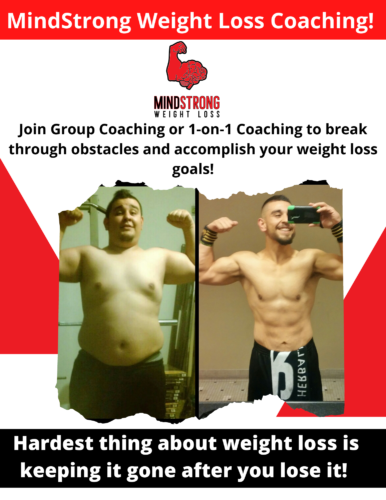
- Hardest thing about weight loss is keeping it gone after you lose it!
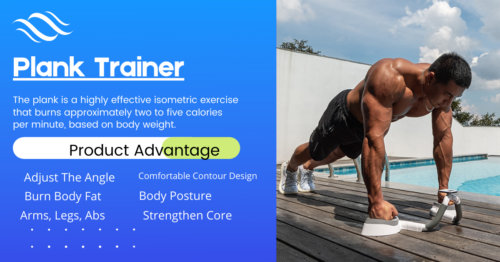
- Plank Trainer…Planks don’t just work your core: They work your entire body.
- Click here —>Revenue-Based Gym Financing: How a Revenue-Based Gym Loan Works
- 4 Signs it’s Time to Hire a Lead Generation Company for your Gym.

- Dr. Esselstyn’s Prevent & Reverse Heart Disease Program
- Xponential Fitness grew from one man’s dream to a boutique fitness powerhouse Flip through the digital issue:
- Debra Strougo co-founded Row House with her husband, Eric Von Frohlich, and built it into one of the hottest studios in the business.
- Is The 1 Minute Weight Loss Program The Solution For You?
- Bodybuilding Beef Jerky!
- Feetlu Foldable Exercise Mat
- Delicious, Easy-To-Make Smoothies For Rapid Weight Loss & Incredible Health!

- My Daily Choice
- Buy Plus!

- Plexus Success

- Ornery Onion Company

- Cross Gym Resistance Bands
- Do You Need to Lose 15 to 100 lbs or More?
- Transform your body without starving yourself.
- Custom Keto Diet
- Take control of your days with Daily Sprays from MyDailyChoice.
Need more energy? BOOST Energy Spray gives you the jumpstart you need upon waking, through your exercise routine, or a long day of work.
- Genuine Organic Broad Spectrum Hemp CBD Oil

- HempWorx!…

- New Crystal Powered EMF Radiation Harmonizing Protectors.

- Slenderiiz Weight Loss!

- Wherever You Go, Go Safe And Be Well.
- Vitamix E310 Explorian Blender, Professional-Grade, 48 oz. Container, Black
- ODD 5 SECOND WATER “HACK” kills food cravings and MELTS 62 lbs
- How does DEEP SLEEP make you LOSE WEIGHT? See what a 2 minute after dinner ritual can do for you!
- HEALTHY HIGH PERFORMANCE FROM THE INSIDE OUT

- Full Spectrum CBD Oil by Danker Co

- GET YOUR CUSTOM KETO DIET PLAN

- Naternal products are made from natural sources.
- CPR Online During The Covid Shut Down
- Weight Loss & So Many More Health Benefits!
- Must Have Mint Collection

- Get Slimmer! Get Paid To Lose Weight.

- How One Woman Discovered the Female Fat-Loss Code Missed by Modern Medicine And Lost 84lbs Using a Simple 2-Step Ritual That 100% Guarantees Shocking Daily Weight Loss
Cinderella Solution Female Weight Loss System
- Don’t Let Your Doubts Sabotage Your Actions!
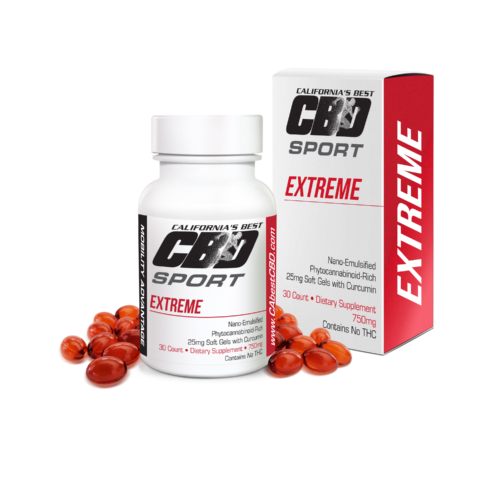
- PREMIUM CBD PRODUCTS DEVELOPED FOR YOUR LIFESTYLE
- Organifi Green Juice

- Keto Meal Plan Just For You!

- CTFO…Weight Loss Meal Replacement Shakes.
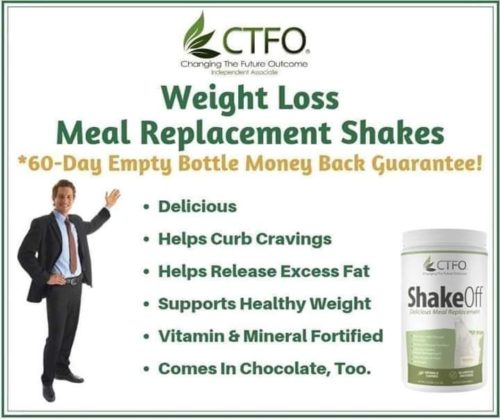
- Nutraleaves

- EBOOK EXPOSES HOW CBD HEMP OIL COULD GET RID OF ANXIETY, STRESS AND CHRONIC PAIN IN 10 MINUTES.

- Lotionex
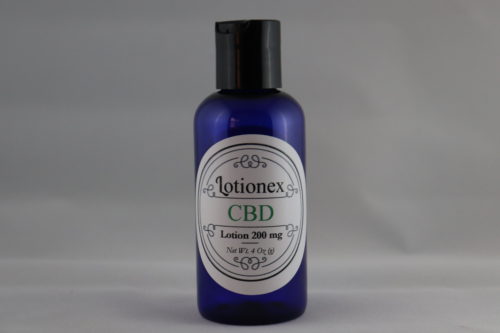
- Oncali….relax responsibly authentic cbd with simple ingredients.
- AVL Supplements and Apparel

- THE LEAF NY
HEMP OIL & CBD
- THE BEST CBD PRODUCTS

- USA CBD Experts!
- LEPTITOX
- Buy Pure CBD Products Online! Legal Cannabidiol, NO THC.

- Experience Morocco. Truly.

- Discover HB Naturals CBD and Black Seed Oil Organic Products

- A New and Exciting Experience With MyDailyChoice!

- Changing the Futures Outcome CBD Oil

- Qberry Farms
- Your trusted source for quality SARM and SERM products
- SECRET REVEALED!Discover how more than 4 million American’s kill their anxiety on a daily basis.

- Aomega Best Hemp…From Our Fields To Your Family

- Vitamin Supplement Guide

This site is dedicated to helping you choose the right vitamin supplements for better health.
- Cinderella Solution System

- CBD BIOCARE

- What’s the Difference Between Success and Failure on the Keto Diet…

 Advertise
- Advertise your Affiliate Marketing product on Health Club News for $5MUST READ....Very Limited Time on this amazing offer...I promise this will not be up for long because we lose money on this offer...but it's worth it to us to allow you to experience what Health Club News is all about. We want you to be a customer for years to come. www.healthclubnews.org Advertise your CLICKBANK, […]
- Advertise your clickbank product on Health Club News for one week for $5Advertise With Us: Target Market Of Diet & Weight Loss Customers For Only $1 Here’s your Special Invitation to advertise your clickbank Product, Supplement, eBook or Service. Attract targeted customers to visit your site and spend money on a new items. Health Club News: We are growing each month in popularity and currently Ranking #1 […]
- Advertise your banner on my travel blog for $1Advertise With Us: Target Market Of Diet & Weight Loss Customers For Only $1 Here’s your Special Invitation to advertise on our top travel site, advertise your service, product ,eBook or travel Service. Attract targeted customers to visit your site and spend money on a new items.http://margaritavillenow.com/ Margaritaville Now is growing each month in popularity […]
- Drive 300 niche targeted USA traffic to your website or product each day for $10I will do a campaign to help you generate unique visitors to your link or website. This will be 90% USA / Canada and Europe visitors from sites like bing, google, facebook, twitter, instagram, tumblr, quora, niche blogs...We are connected to a well-known Advertising Network and an SEO professional with extensive background in online marketing […]
- Advertise your weight loss site for $5Weight Loss Advertising. Advertise With Us: Target Market Of Diet & Weight Loss Customers For Only $5 with Guaranteed Real Traffic Boost. Here’s your Special Invitation to advertise your Weight Loss or Diet Product, Supplement, eBook or Service. Attract targeted customers to visit your site and spend money on a new health related items. Banz […]
- Promote and advertise your affiliate product for $5Advertise With Us: Target Market Of Clickbank or Affiliate Marketing Customers For Only $5 with Guaranteed Real Traffic Boost. Here’s your Special Invitation to advertise your Clickbank or Affiliate Marketing Product, Supplement, eBook or Service. Attract targeted customers to visit your site and spend money on a new Clickbank or Affiliate Marketing related items. We […]
- Advertise Your Fitness and Weight Loss Product or Site for $5Advertise Your Fitness and Weight Loss Product or Site Advertise With Us: Target Market Of Diet & Weight Loss Customers For Only $10 with Guaranteed Real Traffic Boost. Here’s your Special Invitation to advertise your Weight Loss or Diet Product, Supplement, eBook or Service. Attract targeted customers to visit your site and spend money on […]
Club Solutions Health Club News Stories
- Orangetheory Fitness Announces Expansion into Italy
- Aligned Fitness Acquires Six Club Pilates Studios, Expands Presence Into New Jersey
- Crunch Fitness Launches Crunch Reform Pilates
- They Left. Now What? How Fitness Clubs are Winning Back Former Members
- 7 Things Mark Mastrov Wants Every Gym Operator to Know Right Now
- World Gym Corporation Partners with HYROX to Accelerate Fitness Racing Across Taiwan, with Expansion in Thailand
- Growing Revenue Without Sacrificing the Member Experience
- Economic Clarity, AI Strategy and Honest Conversations at the 2026 Club Solutions Leadership Summit
Health Club News Feed
- Untitled
- BLS Certification in Augusta – AHA CPR Classes Only $59 or 2 for $99 at Pulse CPR
- 25 Women Needed for 36-Week Weight-Loss Study
- Crunch Fitness Brings State-of-the-Art 3.0 Facility to Madera, California
- Fitness Ventures Expands South Texas Footprint With Three New Crunch Locations
- Health Club News: Your Ultimate Source for Health Club, Gym, Spa, and Fitness Franchise Industry Intelligence
- Best of the Best Gym/Health Club: YMCA
- Tom Leverton Named CEO of Purpose Brands, Leading Global Growth in Health and Wellness
- Premier CPR & First Aid Training in Augusta, GA: Pulse CPR & First Aid School”
- Unveiling Health Club News: Your Ultimate Hub for Fitness Industry Updates
