China’s health club industry has huge potential. Searching for the Body Beautiful.
The Chinese are searching for the Body Beautiful.CSI-Bally, Nirvana and Hosa are all among China’s Top 10 fitness chains, each with many outlets nation wide.The desire for fitness is booming in China, but as more and more open, the sector is also becoming highly competitive.According to experts, there may well be a growing appetite for the Body Beautiful, and many of the larger chains have invested heavily in their hope of attracting business, but at the same time, the rate of expansion has now tipped the industry into over-supply.That is great news for consumers, but bad news for the many companies now scrambling for business, and many are having to take urgent measures to survive.China’s fitness industry has huge potential, and there are many investors who see that. But the demands of customers, with so much choice becoming available, are becoming very sophisticated, and the industry is going through tough times, and is experiencing big changes.A Y 2011 survey of 60 Ley cities in China by the Asian Academy for Sports and Fitness Professionals, a Hong Kong-based fitness professional training center and study institute showed that 1.05% of the population were members of a fitness club, compared with 18.1% in the United States, showing just how much potential there is for the fitness sector in China.The survey also revealed that the number of gyms being run by fitness chains in those Key cities actually dropped 10% Y-Y in 2011; the 1st fall since gyms first emerged in China in the early 2000′s.In Beijing the number of outlets owned by large fitness chains declined by 46 Y-Y, to 483 last year.At the other end of the scale, there has been a gradual increase in the numbers of privately run individual fitness centers.The result of this conflict between the larger and smaller operators is not surprising; falling prices, big promotions, and sudden closures for those unable to keep up with the pace.Given their overheads, the more seriously affected have been the chains.In the 10 yrs since appearing on the scene in Y 2001, CSI-Bally, a joint venture between State-owned China Sports Industry Group Co Ltd and US-based Bally Total Fitness Co, was reported to have become a company with sales exceeding 100-M Yuan (US$15.69-M). But by Y 2009, that turnover had dropped to 65-M Yuan and was still dropping.SI-Bally’s gross profit margin dropped to 3.87% last year, from 43% in Y 2006.It currently has 24 gyms in 13 cities in China, but was spending a lot more than it was making, experiencing an operating deficit of 64% in Y 2010.Similarly, rival Nirvana has suffered and was reported to have recorded losses of 17-M Yuan in Y 2009 and 9-M Yuan in Y 2010.Operators claim the increased losses are coming from higher rents, which account for about 50% the cost of a typical gym and increased wages, according to the GM of Nirvana, which has 13 outlets in 8 cities.Using the example of Nirvana’s outlet on Beijing’s Chang’an Avenue, rental there was reported to have jumped to 7-M Yuan last year, from 2.5-M Yuan in Y 2007.The monthly cost of the type of qualified coach needed to be employed in the larger chains has also doubled in the past 5 yrs.The arrival of many smaller players onto the market has sparked a price war that is squeezing margins further. The latest industry estimates suggest there were more than 1,000 fitness centers registered in Beijing between Y’s 2006 and 2008, but 4 yrs on, large numbers have disappeared.Discounting has become the major tool of the fitness industry to gain back business. Price wars were 1st initiated by the small operators, and they forced middle-level players to follow, then the big companies had to adopt the strategy realizing that Chinese consumers have very little brand loyalty when it comes to fitness, and many simply following the price.The fitness chains all offer promotional campaigns, such as “Buy-2-get-1-Free”, group purchasing, holiday discounts, and free trials.The need to keep fit has not changed among Chinese consumers, but many are realizing they do not have to pay a lot for it, and very often, if people look hard enough, what is on offer can be free.Despite rising popularity of gyms, the vast majority of those taking regular exercise remains the over-50′s crowd who do not use gyms, preferring instead to jog or do exercise in groups in public parks.All over the country, the central Chinese government has been installing free exercise equipment in many residential communities, which attract all kinds of people who want to exercise, but have no time or are reluctant to go to gyms.Consolidation likelyThe pressures now being felt in the private-sector fitness industry, suggest industry watchers, mean that rapid consolidation is likely, and that operators will be more willing to offer tailored products, and be looking to diversify into other services as well as straight fitness.The Vice-Director with the public sports department under the General Administration of Sport of China, said that while no strict industry regulation exists, there are always going to be small-scale centers willing to set up businesses with a few treadmills and part-time coaches.“The industry threshold is still low, but I do think that consolidation in the industry is likely to be a trend in the coming years, as consumers become more selective when choosing fitness facilities.“The professional resources and expertise of the larger companies will also help them attract and retain clientele, but there will be some mergers and acquisitions too in the short term, ” he said.He also noted that the government is looking at ways of raising and maintaining industry standards, and there are plans to introduce rules and regulations.As commercial property rentals continue to rise companies are planning to launch community gyms, in co-operation with various residential organizations.The government also now requires new residential communities in Key cities to have their own fitness facilities, and such a co-operation between public and private sectors could help companies reduce costs.Hosa now has plans to have more than 300 outlets in China by the end of Y 2012 and a large part of them will be in residential areas.On the other hand, Forward Intelligence suggests that some players are turning their attention to the high-end market, providing services aimed squarely at attracting wealthy, and corporate clients.Besides basic gym facilities, other services might include scientific body examination, tailored lifestyle consulting and family health and lifestyle management. But again, these kinds of top-end club are likely to be opened in more residential, suburban areas to cater to high-income consumers.Another type of business model being closely looked at by some operators is to develop facilities based in offices and factories, aimed at helping specific corporate clients offer their employers something in terms of health and welfare.There’s lots of choice out there, and the prices are falling, all the better for the consumer
Hot Spot Ads
- BLS Certification in Augusta – AHA CPR Classes Only $59 or 2 for $99 at Pulse CPR
- Premier CPR & First Aid Training in Augusta, GA: Pulse CPR & First Aid School”
- Master Life-Saving Skills: American Heart Association CPR, First Aid, AED, BLS, ACLS, and PALS Training in Augusta, GA at Pulse CPR and First Aid School!
- The Ultimate Keto Meal Plan

- 300 Vegan/Plant Based Recipe Cook Book

- Kaldi Goats Coffee
- Giraffe Nuts CBD ( Post Workout Recovery)

- TIRED OF BEING OVERWEIGHT?
- Pulse Fitness Martinez
- Latest CBD Gummies and Oils!

- Bye-Bye Belly Fat!
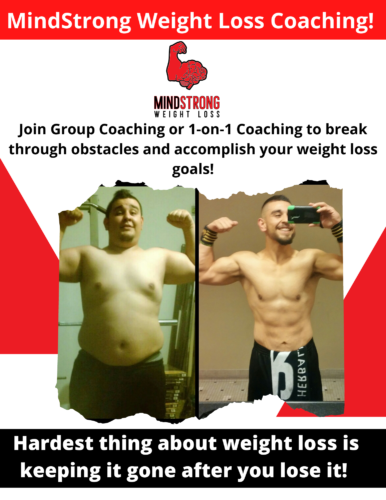
- Hardest thing about weight loss is keeping it gone after you lose it!
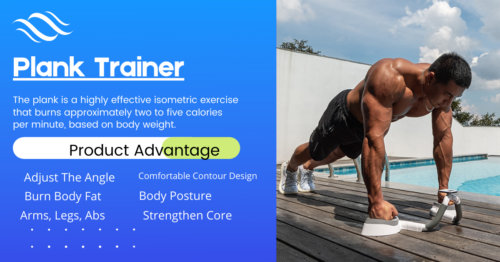
- Plank Trainer…Planks don’t just work your core: They work your entire body.
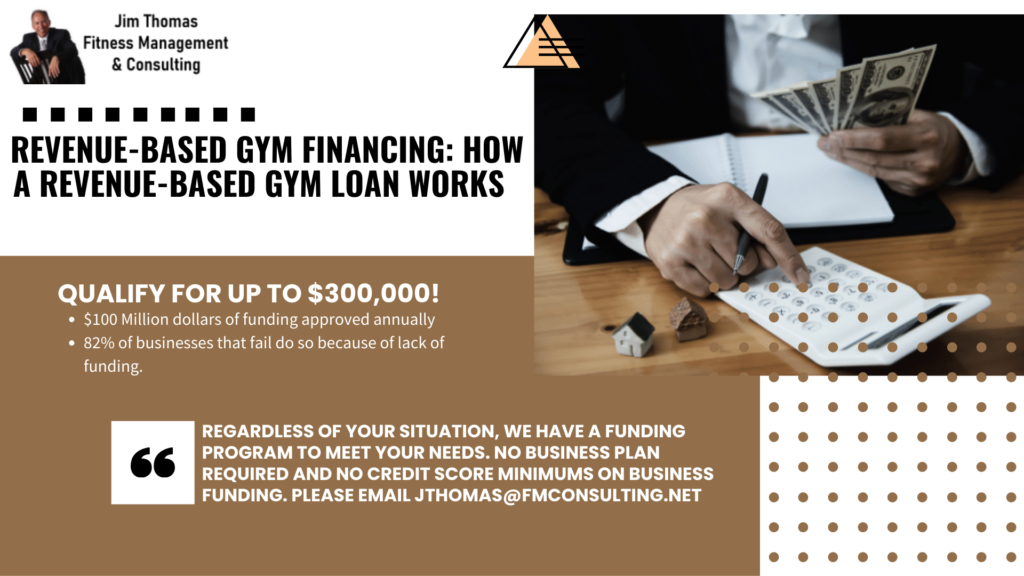
- Click here —>Revenue-Based Gym Financing: How a Revenue-Based Gym Loan Works
- 4 Signs it’s Time to Hire a Lead Generation Company for your Gym.

- Dr. Esselstyn’s Prevent & Reverse Heart Disease Program

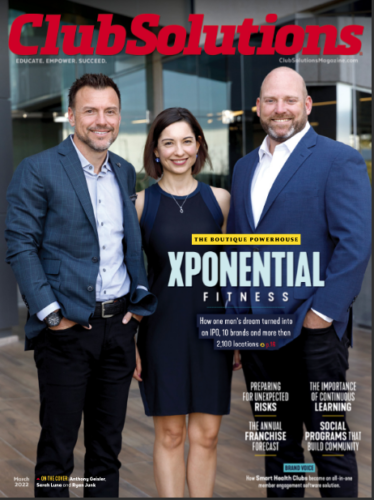
- Xponential Fitness grew from one man’s dream to a boutique fitness powerhouse Flip through the digital issue:
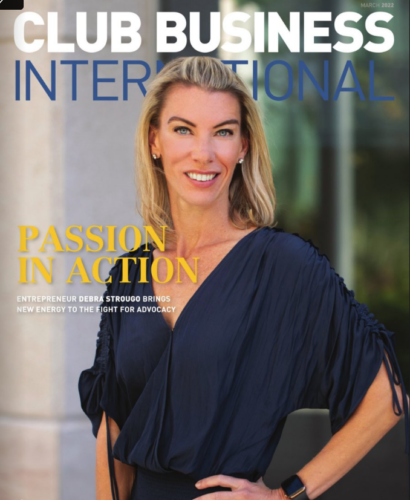
- Debra Strougo co-founded Row House with her husband, Eric Von Frohlich, and built it into one of the hottest studios in the business.
- Is The 1 Minute Weight Loss Program The Solution For You?
- Bodybuilding Beef Jerky!
- Feetlu Foldable Exercise Mat
- Delicious, Easy-To-Make Smoothies For Rapid Weight Loss & Incredible Health!

- My Daily Choice
- Buy Plus!
- Plexus Success
- Ornery Onion Company
- Cross Gym Resistance Bands
- Do You Need to Lose 15 to 100 lbs or More?
- Transform your body without starving yourself.
- Custom Keto Diet
- Take control of your days with Daily Sprays from MyDailyChoice.
Need more energy? BOOST Energy Spray gives you the jumpstart you need upon waking, through your exercise routine, or a long day of work.
- Genuine Organic Broad Spectrum Hemp CBD Oil

- HempWorx!…

- New Crystal Powered EMF Radiation Harmonizing Protectors.

- Slenderiiz Weight Loss!

- Wherever You Go, Go Safe And Be Well.
- Vitamix E310 Explorian Blender, Professional-Grade, 48 oz. Container, Black
- ODD 5 SECOND WATER “HACK” kills food cravings and MELTS 62 lbs
- How does DEEP SLEEP make you LOSE WEIGHT? See what a 2 minute after dinner ritual can do for you!
- HEALTHY HIGH PERFORMANCE FROM THE INSIDE OUT
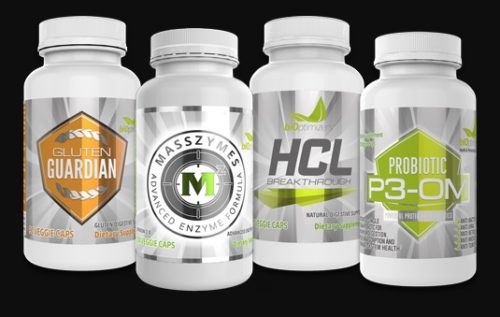
- Full Spectrum CBD Oil by Danker Co

- GET YOUR CUSTOM KETO DIET PLAN

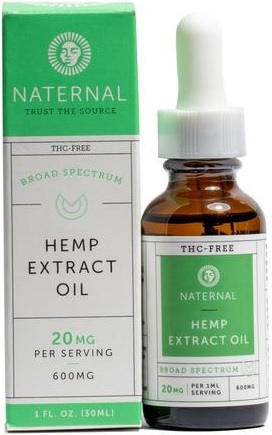
- Naternal products are made from natural sources.
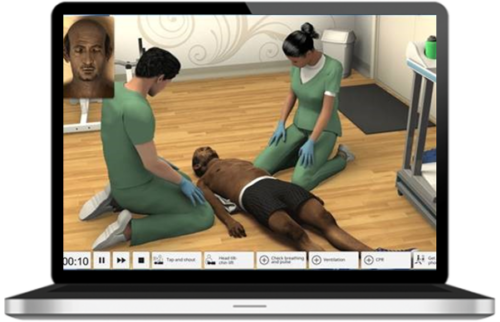
- CPR Online During The Covid Shut Down
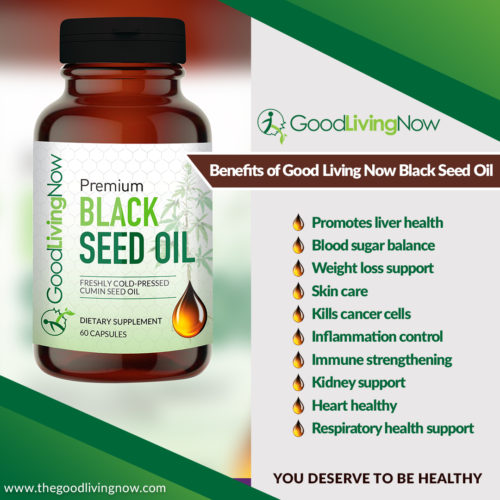
- Weight Loss & So Many More Health Benefits!
- Must Have Mint Collection

- Get Slimmer! Get Paid To Lose Weight.

- How One Woman Discovered the Female Fat-Loss Code Missed by Modern Medicine And Lost 84lbs Using a Simple 2-Step Ritual That 100% Guarantees Shocking Daily Weight Loss
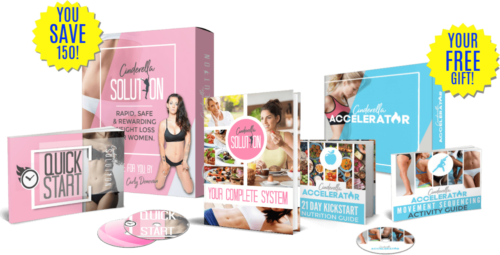
Cinderella Solution Female Weight Loss System
- Don’t Let Your Doubts Sabotage Your Actions!
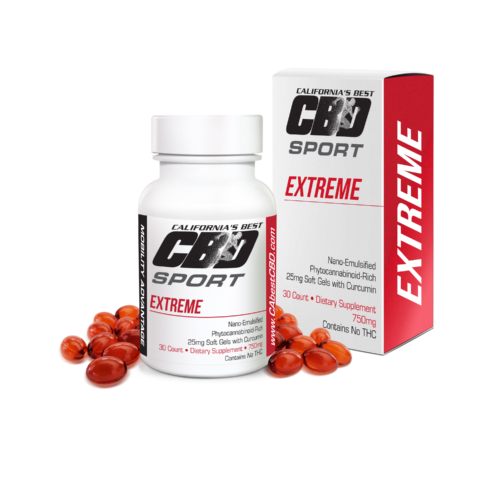
- PREMIUM CBD PRODUCTS DEVELOPED FOR YOUR LIFESTYLE
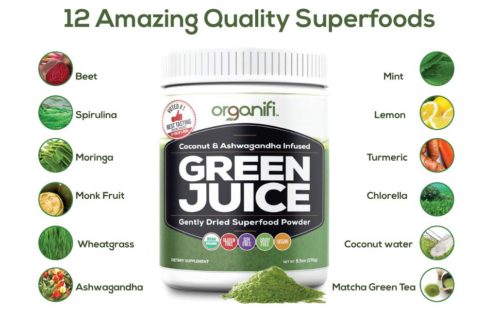
- Organifi Green Juice
- Keto Meal Plan Just For You!

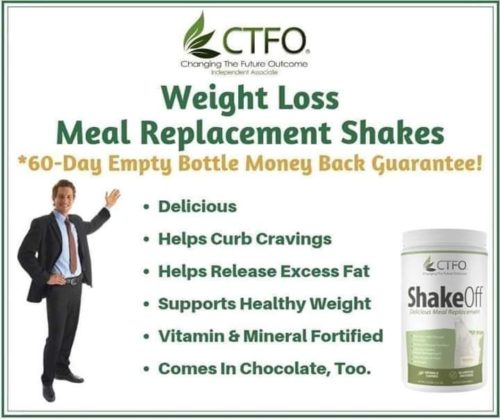
- CTFO…Weight Loss Meal Replacement Shakes.
- Nutraleaves

- EBOOK EXPOSES HOW CBD HEMP OIL COULD GET RID OF ANXIETY, STRESS AND CHRONIC PAIN IN 10 MINUTES.

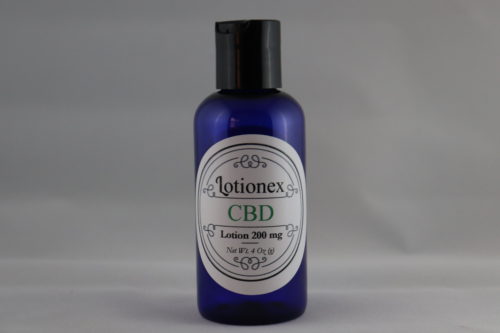
- Lotionex
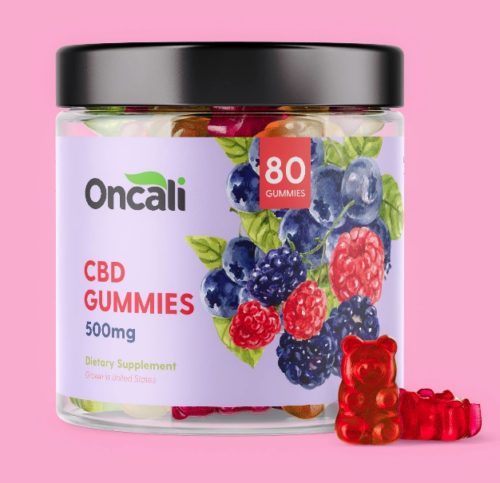
- Oncali….relax responsibly authentic cbd with simple ingredients.
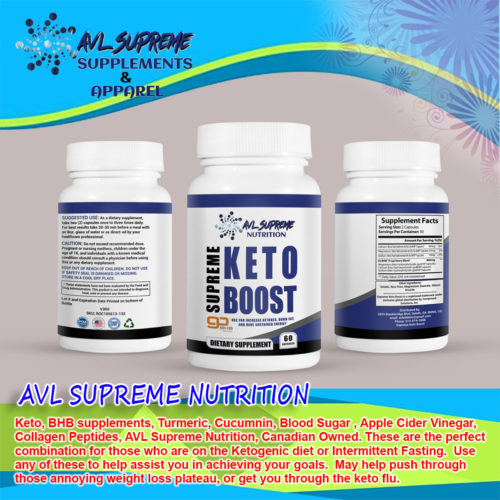
- AVL Supplements and Apparel
- THE LEAF NY
HEMP OIL & CBD
- THE BEST CBD PRODUCTS

- USA CBD Experts!
- LEPTITOX
- Buy Pure CBD Products Online! Legal Cannabidiol, NO THC.

- Experience Morocco. Truly.

- Discover HB Naturals CBD and Black Seed Oil Organic Products

- A New and Exciting Experience With MyDailyChoice!

- Changing the Futures Outcome CBD Oil

- Qberry Farms
- Your trusted source for quality SARM and SERM products

- SECRET REVEALED!Discover how more than 4 million American’s kill their anxiety on a daily basis.

- Aomega Best Hemp…From Our Fields To Your Family
- Vitamin Supplement Guide

This site is dedicated to helping you choose the right vitamin supplements for better health.
- Cinderella Solution System

- CBD BIOCARE
- What’s the Difference Between Success and Failure on the Keto Diet…
 Advertise
- Advertise your Affiliate Marketing product on Health Club News for $5MUST READ....Very Limited Time on this amazing offer...I promise this will not be up for long because we lose money on this offer...but it's worth it to us to allow you to experience what Health Club News is all about. We want you to be a customer for years to come. www.healthclubnews.org Advertise your CLICKBANK, […]
- Advertise your clickbank product on Health Club News for one week for $5Advertise With Us: Target Market Of Diet & Weight Loss Customers For Only $1 Here’s your Special Invitation to advertise your clickbank Product, Supplement, eBook or Service. Attract targeted customers to visit your site and spend money on a new items. Health Club News: We are growing each month in popularity and currently Ranking #1 […]
- Advertise your banner on my travel blog for $1Advertise With Us: Target Market Of Diet & Weight Loss Customers For Only $1 Here’s your Special Invitation to advertise on our top travel site, advertise your service, product ,eBook or travel Service. Attract targeted customers to visit your site and spend money on a new items.http://margaritavillenow.com/ Margaritaville Now is growing each month in popularity […]
- Drive 300 niche targeted USA traffic to your website or product each day for $10I will do a campaign to help you generate unique visitors to your link or website. This will be 90% USA / Canada and Europe visitors from sites like bing, google, facebook, twitter, instagram, tumblr, quora, niche blogs...We are connected to a well-known Advertising Network and an SEO professional with extensive background in online marketing […]
- Advertise your weight loss site for $5Weight Loss Advertising. Advertise With Us: Target Market Of Diet & Weight Loss Customers For Only $5 with Guaranteed Real Traffic Boost. Here’s your Special Invitation to advertise your Weight Loss or Diet Product, Supplement, eBook or Service. Attract targeted customers to visit your site and spend money on a new health related items. Banz […]
- Promote and advertise your affiliate product for $5Advertise With Us: Target Market Of Clickbank or Affiliate Marketing Customers For Only $5 with Guaranteed Real Traffic Boost. Here’s your Special Invitation to advertise your Clickbank or Affiliate Marketing Product, Supplement, eBook or Service. Attract targeted customers to visit your site and spend money on a new Clickbank or Affiliate Marketing related items. We […]
- Advertise Your Fitness and Weight Loss Product or Site for $5Advertise Your Fitness and Weight Loss Product or Site Advertise With Us: Target Market Of Diet & Weight Loss Customers For Only $10 with Guaranteed Real Traffic Boost. Here’s your Special Invitation to advertise your Weight Loss or Diet Product, Supplement, eBook or Service. Attract targeted customers to visit your site and spend money on […]
Club Solutions Health Club News Stories
- Orangetheory Fitness Announces Expansion into Italy
- Aligned Fitness Acquires Six Club Pilates Studios, Expands Presence Into New Jersey
- Crunch Fitness Launches Crunch Reform Pilates
- They Left. Now What? How Fitness Clubs are Winning Back Former Members
- 7 Things Mark Mastrov Wants Every Gym Operator to Know Right Now
- World Gym Corporation Partners with HYROX to Accelerate Fitness Racing Across Taiwan, with Expansion in Thailand
- Growing Revenue Without Sacrificing the Member Experience
- Economic Clarity, AI Strategy and Honest Conversations at the 2026 Club Solutions Leadership Summit
Health Club News Feed
- Untitled
- BLS Certification in Augusta – AHA CPR Classes Only $59 or 2 for $99 at Pulse CPR
- 25 Women Needed for 36-Week Weight-Loss Study
- Crunch Fitness Brings State-of-the-Art 3.0 Facility to Madera, California
- Fitness Ventures Expands South Texas Footprint With Three New Crunch Locations
- Health Club News: Your Ultimate Source for Health Club, Gym, Spa, and Fitness Franchise Industry Intelligence
- Best of the Best Gym/Health Club: YMCA
- Tom Leverton Named CEO of Purpose Brands, Leading Global Growth in Health and Wellness
- Premier CPR & First Aid Training in Augusta, GA: Pulse CPR & First Aid School”
- Unveiling Health Club News: Your Ultimate Hub for Fitness Industry Updates