2011 Was A Year of Improvement In Fitness Club Financials But Still Premature For Rejoicing

2010 saw some leveling off with some clubs getting attrition back under control. Where expense management was a serious thrust, clubs were able to maintain their EBITDA margins and stem the tide. Still, there was limited predictability on new joiners, leading to alternative marketing techniques. Few club sales occurred, except those at distressed levels. Most of the new clubs were developed by the very large club companies or were part of franchises or specialty studios.
2011 Headlines
With that as a background, 2011 was a better year. Capital expenditures were being spent again. New builds increased but not in significant numbers. New joiners were still a challenge for clubs, but attrition levels had almost returned to early 2008 levels. As the U.S. recession leveled off, clubs seemed to see signs of a little optimism. Small smiles were appearing on owners’ faces. Not beaming, but still smiles.Based on the IHRSA Industry Trends data, revenues were increasing slightly as were the total of net memberships. Non-dues revenue (ancillary revenue) was increasing at a rising clip, as more owners were trying to realize more revenue per existing member. This was due to a combination of greater penetration of the membership, more fee-based alternatives and greater renewal of program participants. The EBITDA margins are now holding steady, slightly increasing over 2010 but a lot less than the 2007-2008 levels.
The big-picture story for the industry was the continual climb of the overall health club memberships in the U.S. A year ago, there was a 10.8% increase to over 50 million members. In 2011, it grew another 2.4% to 51.4 million. This helped validate the previous year’s surge and helped confirm that the industry is on an upward trend line. Interestingly, the number of health club facilities has leveled off. We all recognize that some independent clubs and smaller facilities have closed, but these have been offset by take-overs and new builds.
Missing Opportunities
The opportunities for new builds continues to grow, as real estate landlords embrace the health club industry with more interest than ever. However, the number of new builds is not significant, as many owners (or potential owners) can not access adequate capital, This is even more frustrating to club owners and developers as the costs of construction in many areas of the U.S. have leveled off. The industry suppliers are pleased to see a resurgence in internal capital spending in existing clubs, as owners are starting to re-invest as they had been prior to the recession.The biggest challenge this club industry has faced over the recent 3-4 years has been in the debt markets. The large club companies borrow on the basis of cash flow. The level of leverage as a multiple of cash flow reached a high in 2007-2008 and has not returned to that level. Private equity firms, who are already invested in this industry or are interesting in doing so, are waiting for the return of those leverage levels. So, few deals and less growth has been a result. Sometimes, the availability of such funds has dried up and a quiet period ensues.
The debt challenge has also effected medium-sized and smaller club companies who borrow based on their assets. In these cases, banks have been changing their lending criteria – even for those with previous track records. Their loan-to-value ratios have decreased and become more conservative. Some of their other criteria have been changing. The role of the SBA has also been in flux. These local banks and big bank money centers have been very difficult on start-up companies, which has limited the number of unwanted and perhaps, undercapitalized competitors from entering the market.
Latest Fitness Club Deals
For over 15 years, financial pundits have predicted a major consolidation movement in the club industry. It has not happened. Some of the rationale is that the club industry’s largest companies have been mainly growing through new builds instead of acquisitions. In 2011, there was some significant deals as LA Fitness bought a lot of Bally Total Fitness clubs, Equinox bought 4 Sports Club/LA clubs and LifeTime Fitness bought several Lifestyle Family Fitness clubs. While this was big news, the total transactions will amount to less than 1% of the commercial health clubs in the U.S. This is not a significant story yet.There were no IPOs (Initial Public Offerings) in the U.S. and none likely in the future. No U.S. club company bought or developed a major set of clubs internationally. At one point, there was speculation that Virgin Active would enter the U.S. market by either new builds or acquisition. Instead, they just sold a majority interest to a private equity firm, CVC Partners, in the U.K.
On the positive side, there is evidence that medium-sized club companies keep adding 1-2 clubs a year in their same geographical areas. Many of the franchise companies have seen growth (i.e. 24/7 all-access clubs and the HV/LP – high-volume, low-priced clubs), while the women’s-only segment has seen more downsizing.
Given the economy and the realities of funding challenges, many non-profits have seen slower growth in new builds and major renovations. Few communities are successful in getting bonds passed to build new public parks and recreational facilities. Few military bases are building or expanding each year. Few new hospital wellness centers are being created. JCCs and YMCAs are dealing with challenging fund-raising environments. The major exception is university-based fitness centers, which are growing in rapid numbers tied to major increases in student fees over a projected 10-year period. Often, these facilities are costing $30-$60 million, even at smaller universities. They currently focus on serving students, faculty and staff.
Other Related Fitness Club News News
The well discussed U.S. healthcare legislation seems to have little direct impact on the industry currently. Unfortunately, there have been no major breakthroughs with HMOs or insurance companies in having a positive impact on the club industry. The one fear the club industry has is the possible creation of the “magic bullet” – a diet pill that will give many the sense that many of their weight and health issues can be ameliorated or cured with the use of such medication. Two pills are currently being studied by the FDA with no approvals yet.There seems to be constant legislative pressure at the state level on clubs, especially involving such issues as increasing sales taxes, membership renewal regulations and the licensing of personal training.
Big Takeaways From IHRSA Financial Panel
There were lots of insights provided by this year’s IHRSA Financial Panel presenters from Goldman Sachs, Wells Fargo, Vision Capital and Global Leisure Partners. The unemployment level is projected to only slightly decrease in 2012, while inflation levels remain low. Consumer spending is rebounding. Market volatility will continue and dictate availability of capital.The club industry has had an uneven story at the large-club level, as some investors have had significant success while others have been burned. There may be some exits in the near future, with some consolidation still a possibility.
There still seems to be lots of capital in private equity’s hands that is chasing a very limited number of good deals. The club industry has lots of intriguing aspects (e.g. recurring revenue, attractive club unit economics, good free cashflow, alignment with impressive demographics). Many financial institutions have not appreciated the value of strong industry operational expertise. There are some new business models evolving in the industry, and technology will play a greater role in their success in the future. Some of the lessons learned included not overpaying when buying a club company, changing management right away if doing so at all, not overleveraging the capital structure, accepting that this industry is not recession proof and not simply classifying it as a membership business when it is a sales, customer service and a product differentiator business. Many noted that the industry is still weak in data capture. They project significant mergers and acquisition activity in the next 18 months.
Conclusions
All are seeing some optimism in 2012. Early signals are positive versus 2011. Some are forgetting the value of expense management and seeing costs creep upwards as revenues increase. This may indicate that EBITDA margins may be flat going forward. The importance of ancillary revenue is paramount for club management. Until unemployment levels decrease significantly, few are projecting wholesale membership growth. The story of debt will continue to have a major impact on the development of this industry. Capital expenditure levels are returning to former levels. New builds will continue to be the main vehicle for club development. No one is expecting the industry to return to the 2007 levels anytime soon, But the tide is started to rise again.Posting date: 04/28/2012
Source: Rick Caro
Hot Spot Ads
- BLS Certification in Augusta – AHA CPR Classes Only $59 or 2 for $99 at Pulse CPR

- Premier CPR & First Aid Training in Augusta, GA: Pulse CPR & First Aid School”
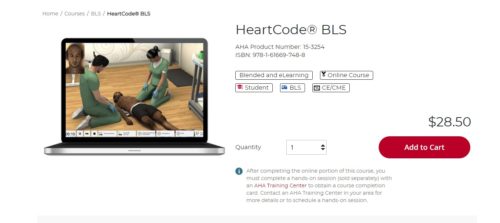
- Master Life-Saving Skills: American Heart Association CPR, First Aid, AED, BLS, ACLS, and PALS Training in Augusta, GA at Pulse CPR and First Aid School!

- The Ultimate Keto Meal Plan

- 300 Vegan/Plant Based Recipe Cook Book

- Kaldi Goats Coffee

- Giraffe Nuts CBD ( Post Workout Recovery)

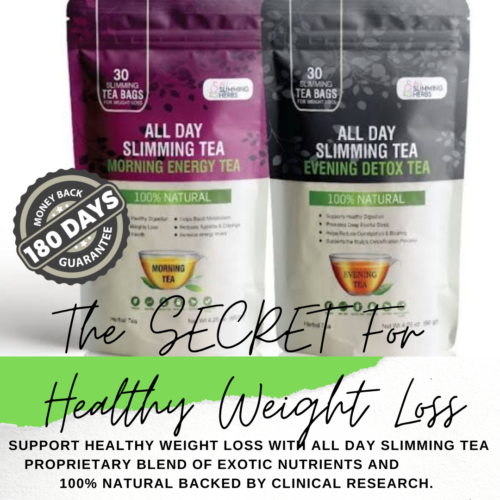
- TIRED OF BEING OVERWEIGHT?
- Pulse Fitness Martinez
- Latest CBD Gummies and Oils!

- Bye-Bye Belly Fat!

- Hardest thing about weight loss is keeping it gone after you lose it!

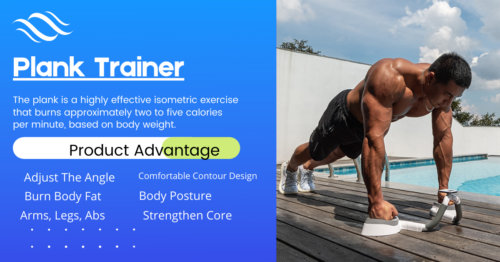
- Plank Trainer…Planks don’t just work your core: They work your entire body.
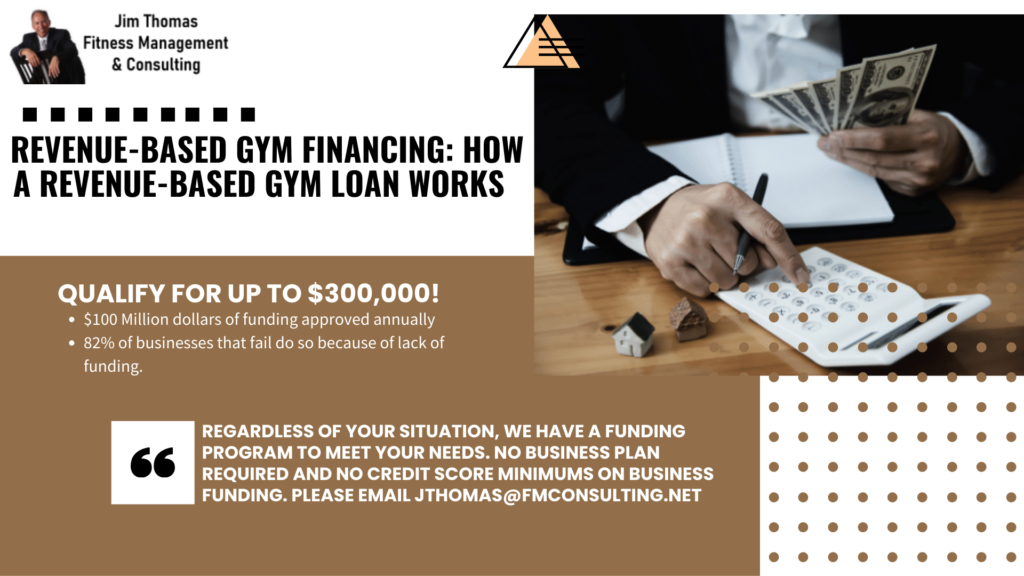
- Click here —>Revenue-Based Gym Financing: How a Revenue-Based Gym Loan Works
- 4 Signs it’s Time to Hire a Lead Generation Company for your Gym.

- Dr. Esselstyn’s Prevent & Reverse Heart Disease Program

- Xponential Fitness grew from one man’s dream to a boutique fitness powerhouse Flip through the digital issue:

- Debra Strougo co-founded Row House with her husband, Eric Von Frohlich, and built it into one of the hottest studios in the business.

- Is The 1 Minute Weight Loss Program The Solution For You?

- Bodybuilding Beef Jerky!

- Feetlu Foldable Exercise Mat

- Delicious, Easy-To-Make Smoothies For Rapid Weight Loss & Incredible Health!

- My Daily Choice
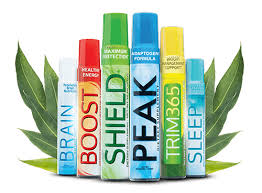
- Buy Plus!

- Plexus Success

- Ornery Onion Company

- Cross Gym Resistance Bands
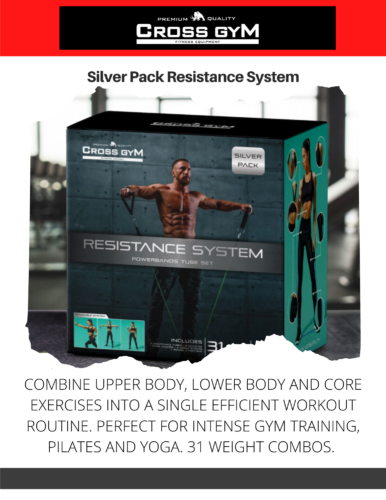
- Do You Need to Lose 15 to 100 lbs or More?

- Transform your body without starving yourself.

- Custom Keto Diet

- Take control of your days with Daily Sprays from MyDailyChoice.
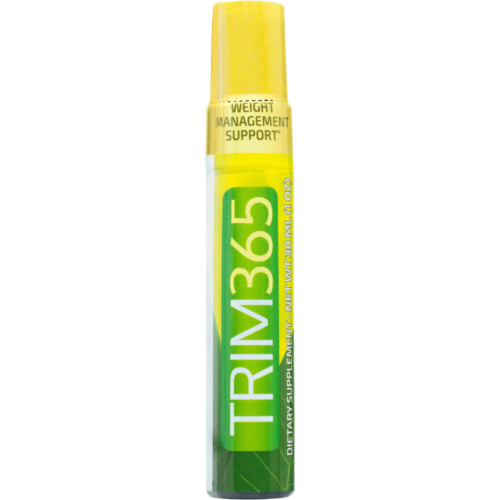
Need more energy? BOOST Energy Spray gives you the jumpstart you need upon waking, through your exercise routine, or a long day of work.
- Genuine Organic Broad Spectrum Hemp CBD Oil

- HempWorx!…

- New Crystal Powered EMF Radiation Harmonizing Protectors.

- Slenderiiz Weight Loss!

- Wherever You Go, Go Safe And Be Well.

- Vitamix E310 Explorian Blender, Professional-Grade, 48 oz. Container, Black
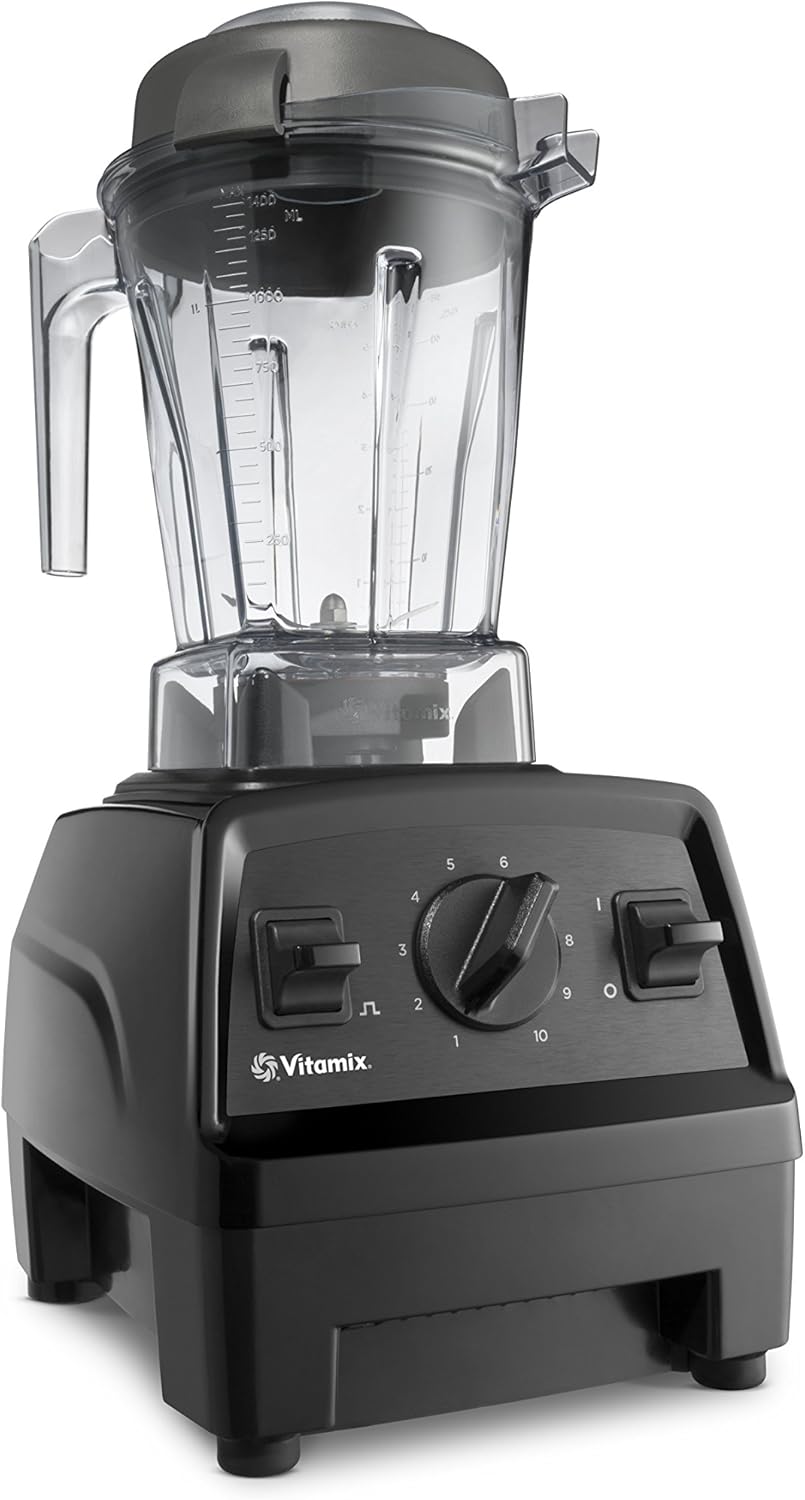
- ODD 5 SECOND WATER “HACK” kills food cravings and MELTS 62 lbs

- How does DEEP SLEEP make you LOSE WEIGHT? See what a 2 minute after dinner ritual can do for you!

- HEALTHY HIGH PERFORMANCE FROM THE INSIDE OUT

- Full Spectrum CBD Oil by Danker Co

- GET YOUR CUSTOM KETO DIET PLAN

- Naternal products are made from natural sources.
- CPR Online During The Covid Shut Down
- Weight Loss & So Many More Health Benefits!

- Must Have Mint Collection

- Get Slimmer! Get Paid To Lose Weight.

- How One Woman Discovered the Female Fat-Loss Code Missed by Modern Medicine And Lost 84lbs Using a Simple 2-Step Ritual That 100% Guarantees Shocking Daily Weight Loss

Cinderella Solution Female Weight Loss System
- Don’t Let Your Doubts Sabotage Your Actions!

- PREMIUM CBD PRODUCTS DEVELOPED FOR YOUR LIFESTYLE
- Organifi Green Juice

- Keto Meal Plan Just For You!

- CTFO…Weight Loss Meal Replacement Shakes.
- Nutraleaves

- EBOOK EXPOSES HOW CBD HEMP OIL COULD GET RID OF ANXIETY, STRESS AND CHRONIC PAIN IN 10 MINUTES.

- Lotionex

- Oncali….relax responsibly authentic cbd with simple ingredients.

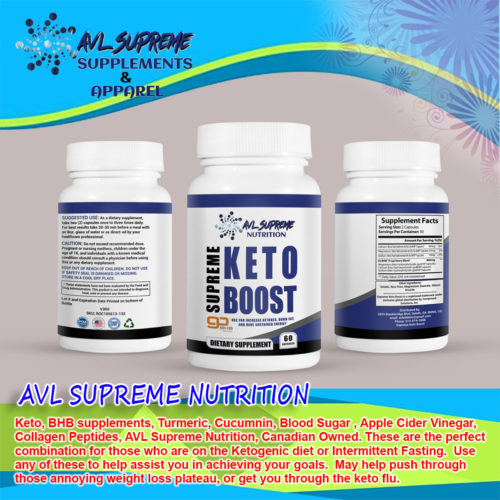
- AVL Supplements and Apparel
- THE LEAF NY
HEMP OIL & CBD
- THE BEST CBD PRODUCTS

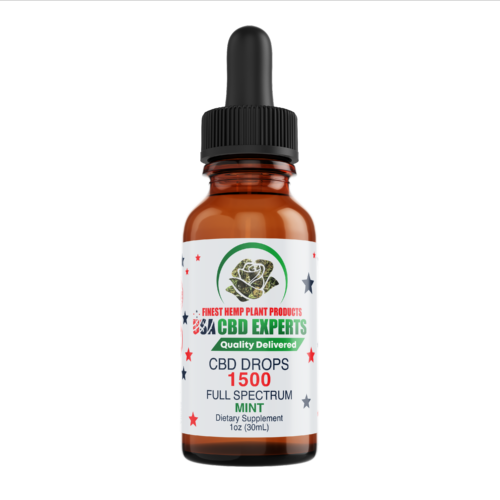
- USA CBD Experts!
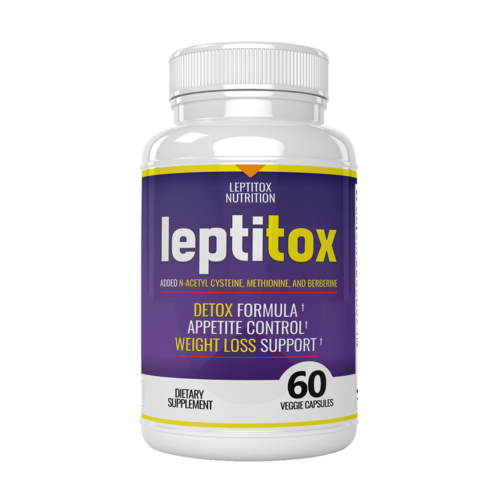
- LEPTITOX
- Buy Pure CBD Products Online! Legal Cannabidiol, NO THC.

- Experience Morocco. Truly.

- Discover HB Naturals CBD and Black Seed Oil Organic Products

- A New and Exciting Experience With MyDailyChoice!

- Changing the Futures Outcome CBD Oil

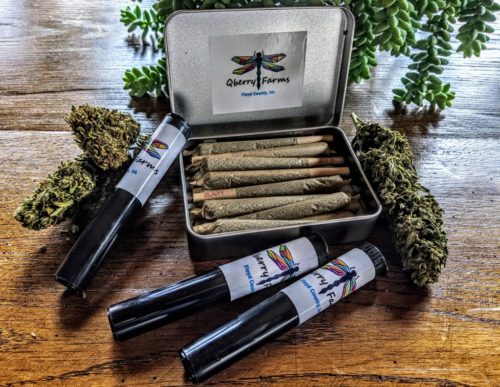
- Qberry Farms
- Your trusted source for quality SARM and SERM products

- SECRET REVEALED!Discover how more than 4 million American’s kill their anxiety on a daily basis.

- Aomega Best Hemp…From Our Fields To Your Family

- Vitamin Supplement Guide

This site is dedicated to helping you choose the right vitamin supplements for better health.
- Cinderella Solution System

- CBD BIOCARE

- What’s the Difference Between Success and Failure on the Keto Diet…

 Advertise
- Advertise your Affiliate Marketing product on Health Club News for $5MUST READ....Very Limited Time on this amazing offer...I promise this will not be up for long because we lose money on this offer...but it's worth it to us to allow you to experience what Health Club News is all about. We want you to be a customer for years to come. www.healthclubnews.org Advertise your CLICKBANK, […]
- Advertise your clickbank product on Health Club News for one week for $5Advertise With Us: Target Market Of Diet & Weight Loss Customers For Only $1 Here’s your Special Invitation to advertise your clickbank Product, Supplement, eBook or Service. Attract targeted customers to visit your site and spend money on a new items. Health Club News: We are growing each month in popularity and currently Ranking #1 […]
- Advertise your banner on my travel blog for $1Advertise With Us: Target Market Of Diet & Weight Loss Customers For Only $1 Here’s your Special Invitation to advertise on our top travel site, advertise your service, product ,eBook or travel Service. Attract targeted customers to visit your site and spend money on a new items.http://margaritavillenow.com/ Margaritaville Now is growing each month in popularity […]
- Drive 300 niche targeted USA traffic to your website or product each day for $10I will do a campaign to help you generate unique visitors to your link or website. This will be 90% USA / Canada and Europe visitors from sites like bing, google, facebook, twitter, instagram, tumblr, quora, niche blogs...We are connected to a well-known Advertising Network and an SEO professional with extensive background in online marketing […]
- Advertise your weight loss site for $5Weight Loss Advertising. Advertise With Us: Target Market Of Diet & Weight Loss Customers For Only $5 with Guaranteed Real Traffic Boost. Here’s your Special Invitation to advertise your Weight Loss or Diet Product, Supplement, eBook or Service. Attract targeted customers to visit your site and spend money on a new health related items. Banz […]
- Promote and advertise your affiliate product for $5Advertise With Us: Target Market Of Clickbank or Affiliate Marketing Customers For Only $5 with Guaranteed Real Traffic Boost. Here’s your Special Invitation to advertise your Clickbank or Affiliate Marketing Product, Supplement, eBook or Service. Attract targeted customers to visit your site and spend money on a new Clickbank or Affiliate Marketing related items. We […]
- Advertise Your Fitness and Weight Loss Product or Site for $5Advertise Your Fitness and Weight Loss Product or Site Advertise With Us: Target Market Of Diet & Weight Loss Customers For Only $10 with Guaranteed Real Traffic Boost. Here’s your Special Invitation to advertise your Weight Loss or Diet Product, Supplement, eBook or Service. Attract targeted customers to visit your site and spend money on […]
Club Solutions Health Club News Stories
- Orangetheory Fitness Announces Expansion into Italy
- Aligned Fitness Acquires Six Club Pilates Studios, Expands Presence Into New Jersey
- Crunch Fitness Launches Crunch Reform Pilates
- They Left. Now What? How Fitness Clubs are Winning Back Former Members
- 7 Things Mark Mastrov Wants Every Gym Operator to Know Right Now
- World Gym Corporation Partners with HYROX to Accelerate Fitness Racing Across Taiwan, with Expansion in Thailand
- Growing Revenue Without Sacrificing the Member Experience
- Economic Clarity, AI Strategy and Honest Conversations at the 2026 Club Solutions Leadership Summit
Health Club News Feed
- Untitled
- BLS Certification in Augusta – AHA CPR Classes Only $59 or 2 for $99 at Pulse CPR
- 25 Women Needed for 36-Week Weight-Loss Study
- Crunch Fitness Brings State-of-the-Art 3.0 Facility to Madera, California
- Fitness Ventures Expands South Texas Footprint With Three New Crunch Locations
- Health Club News: Your Ultimate Source for Health Club, Gym, Spa, and Fitness Franchise Industry Intelligence
- Best of the Best Gym/Health Club: YMCA
- Tom Leverton Named CEO of Purpose Brands, Leading Global Growth in Health and Wellness
- Premier CPR & First Aid Training in Augusta, GA: Pulse CPR & First Aid School”
- Unveiling Health Club News: Your Ultimate Hub for Fitness Industry Updates